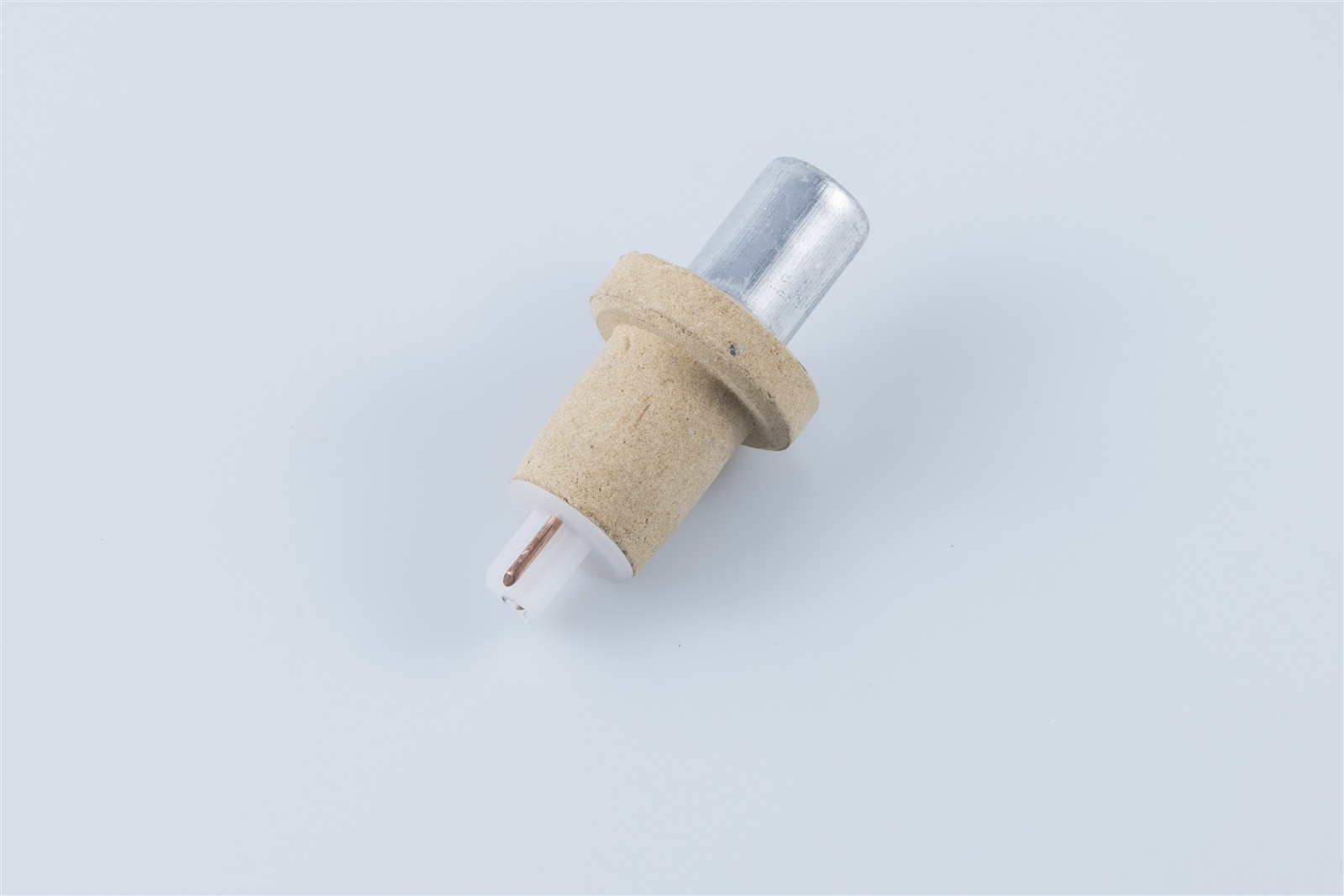
Why Doesn't Stainless Steel Rust?
In the same humid environment, carbon steel rusts while stainless stays bright. The secret is chromium — and an invisible chromium-oxide film.
Read More →
Company updates, product solutions and smelting measurement know-how, updated regularly.
In the same humid environment, carbon steel rusts while stainless stays bright. The secret is chromium — and an invisible chromium-oxide film.
Read More →
Hard, sharp alumina inclusions clog nozzles and cause defects. Calcium treatment transforms them into rounded liquid inclusions — the modification magic.
Read More →
Automotive sheet, electrical steel, heavy rail — nearly all pass RH. Under vacuum, steel is lifted and circulated repeatedly for degassing, decarburization and trimming.
Read More →
LF adjusts composition, temperature, inclusions and sulfur — ordinary steel in, premium refined steel out. How does this "beauty treatment" work?
Read More →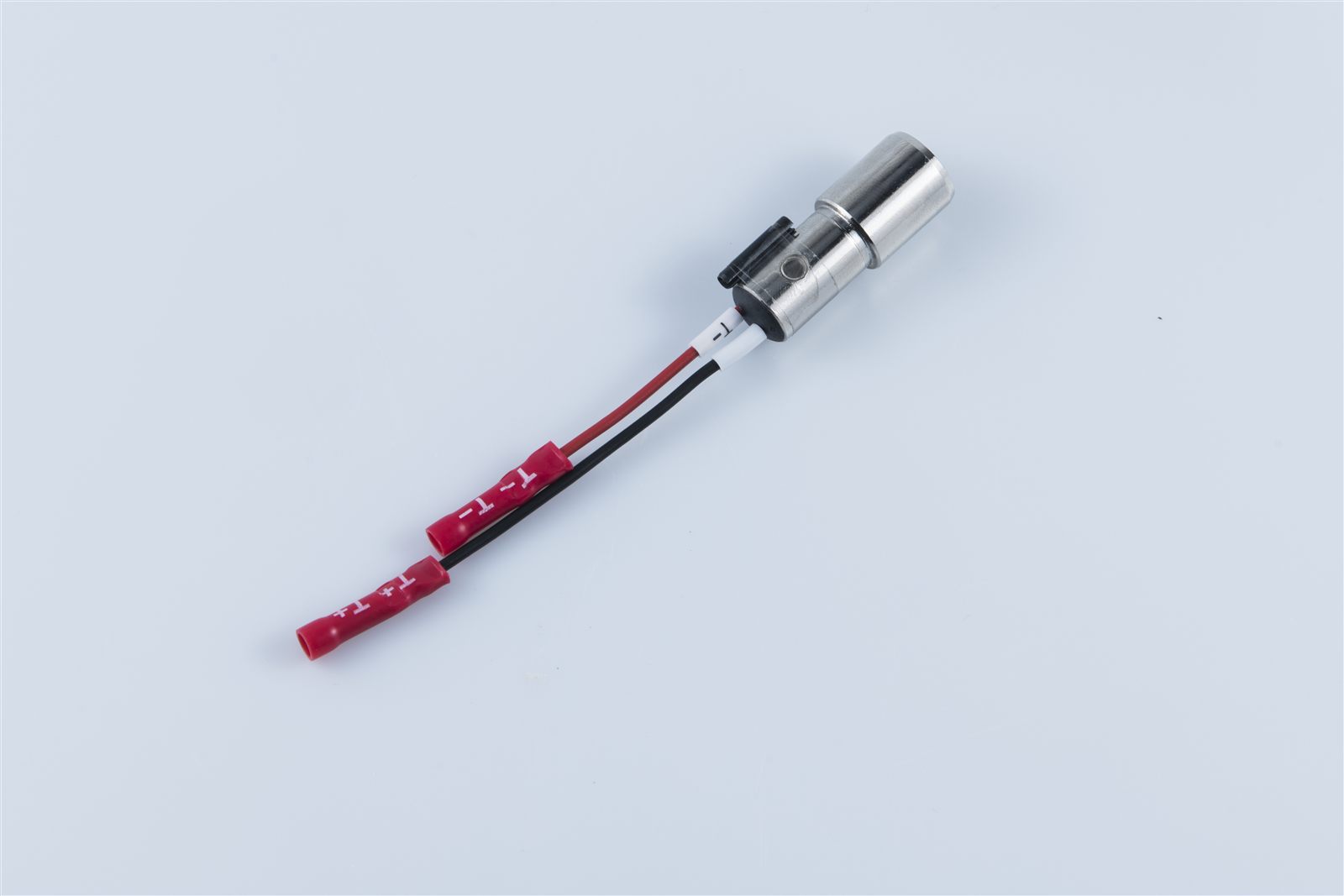
Ladle bottom argon stirring is routine: homogenize temperature, float inclusions, mix alloys. Why argon, not air? How to control stirring intensity?
Read More →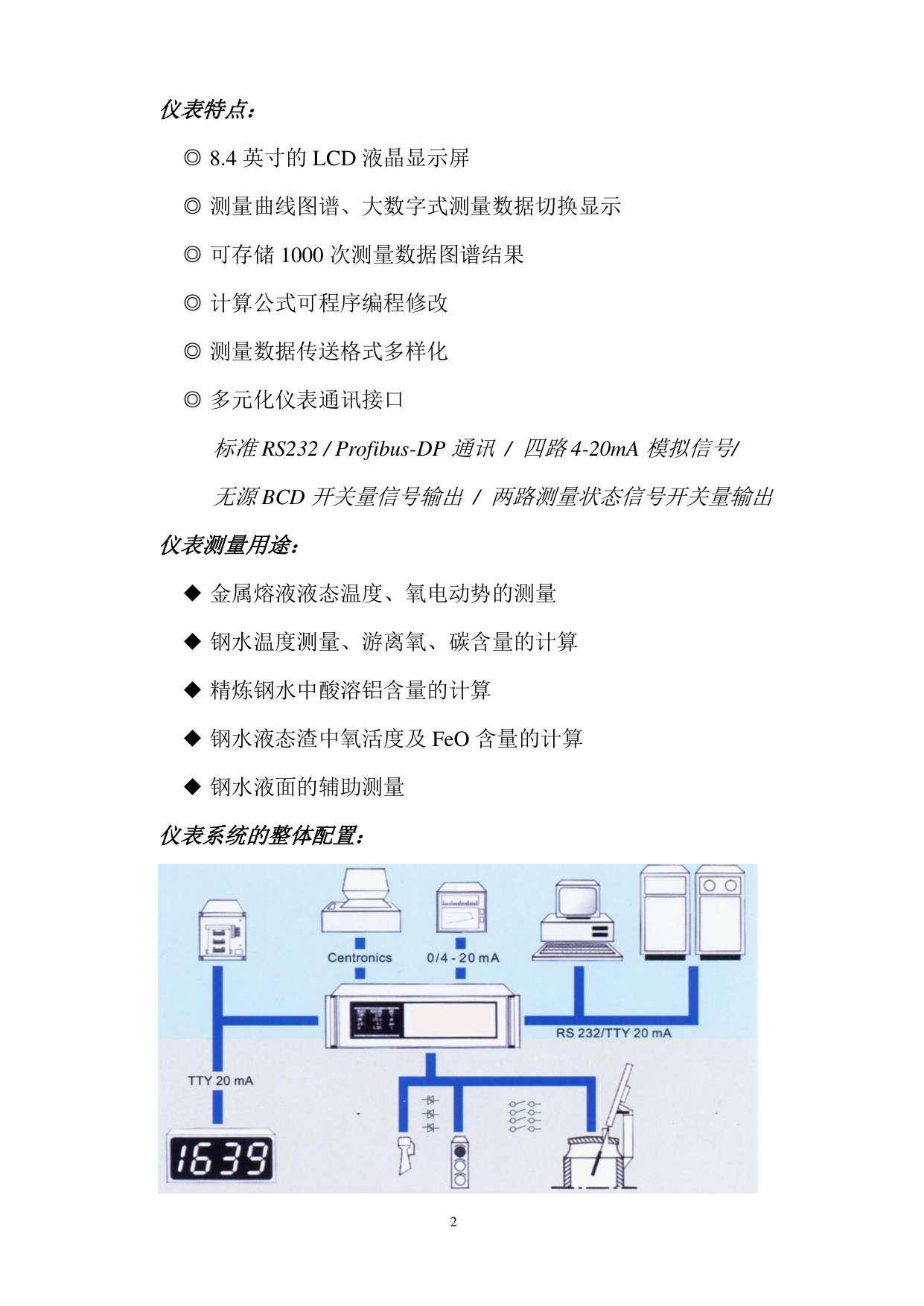
Temperature, oxygen, thermal analysis give results in seconds; the lab takes minutes. So why is the lab irreplaceable? The fast-vs-accurate division explained.
Read More →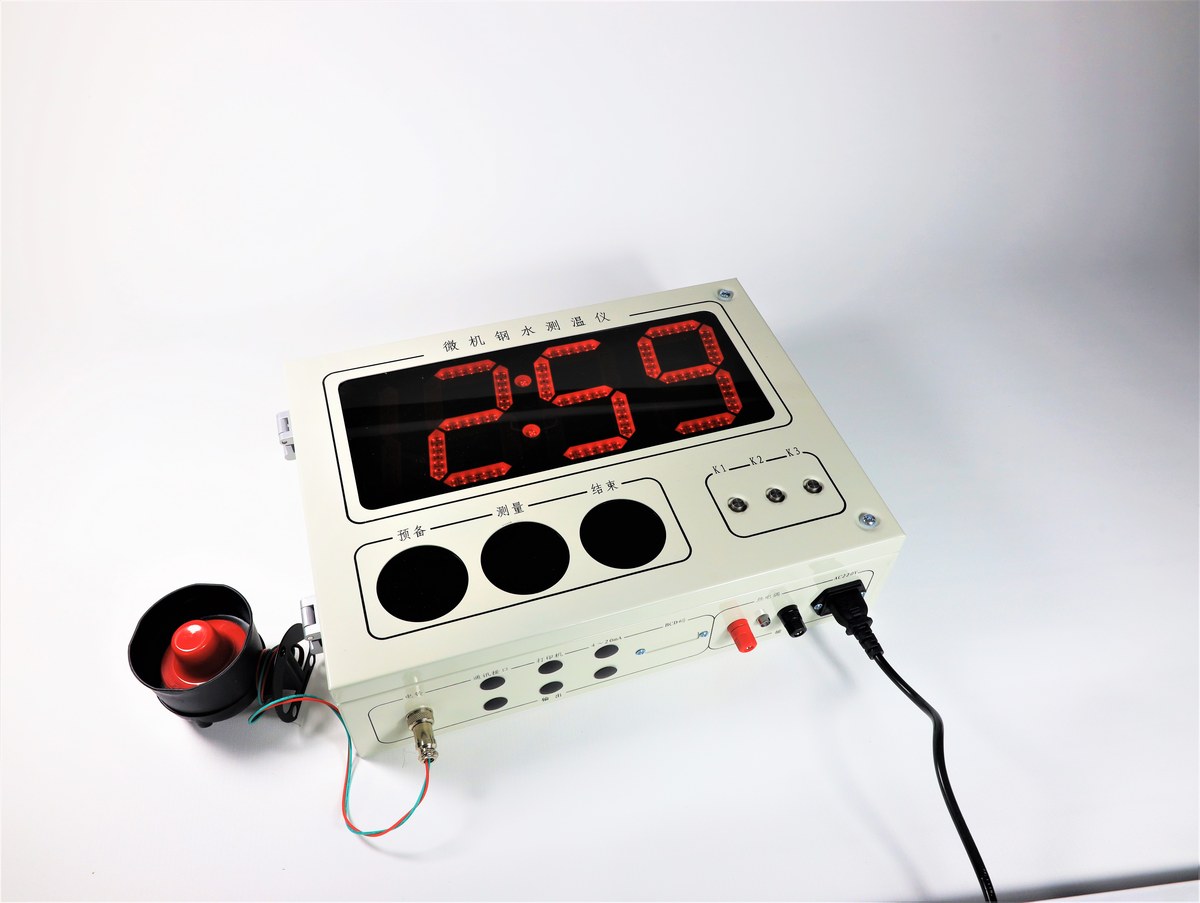
Structure determines steel properties, and seeing structure needs a metallographic microscope. Grinding, polishing, etching, observing, rating — the full workflow.
Read More →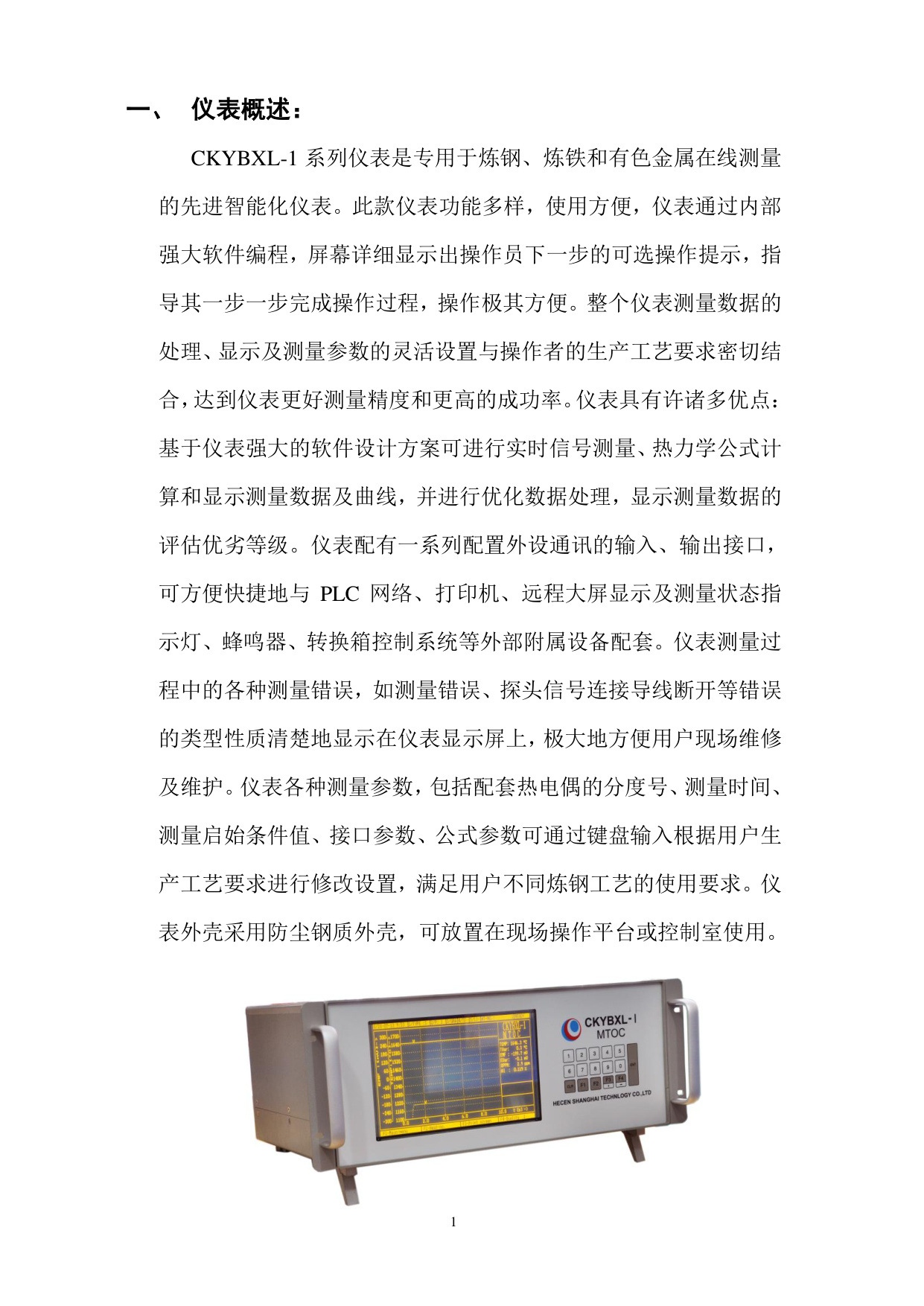
Place a steel sample and get dozens of elements in seconds — the OES spectrometer is a metallurgy QC staple. How does it work? How to use it right?
Read More →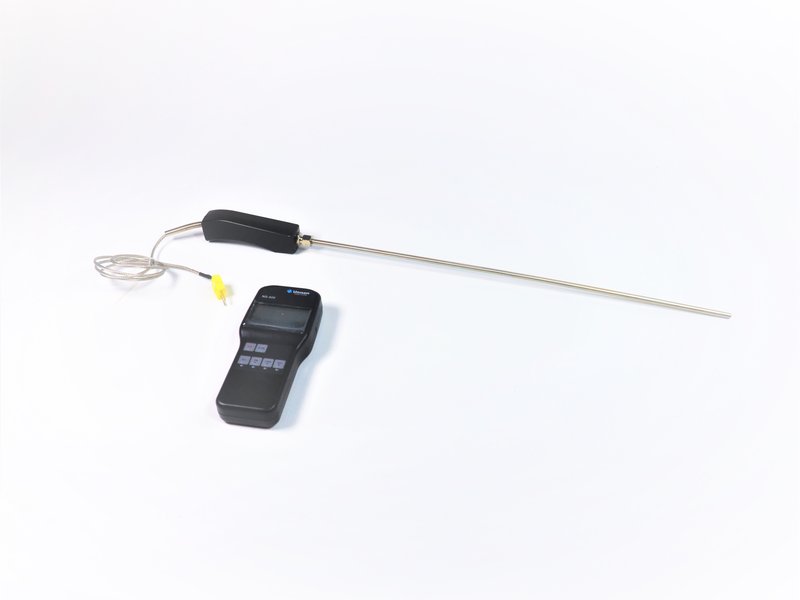
Hardness is the most common mechanical indicator, but Brinell, Rockwell and Vickers measure slightly different things. Wrong method = meaningless numbers.
Read More →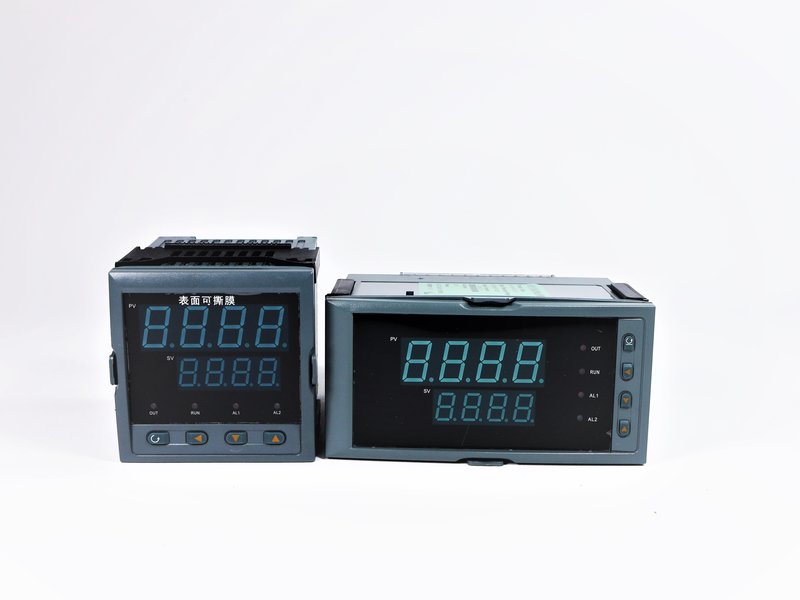
Same steel: soft after annealing, hard after quenching, tough after tempering — heat treatment rewrites steel properties with temperature and time.
Read More →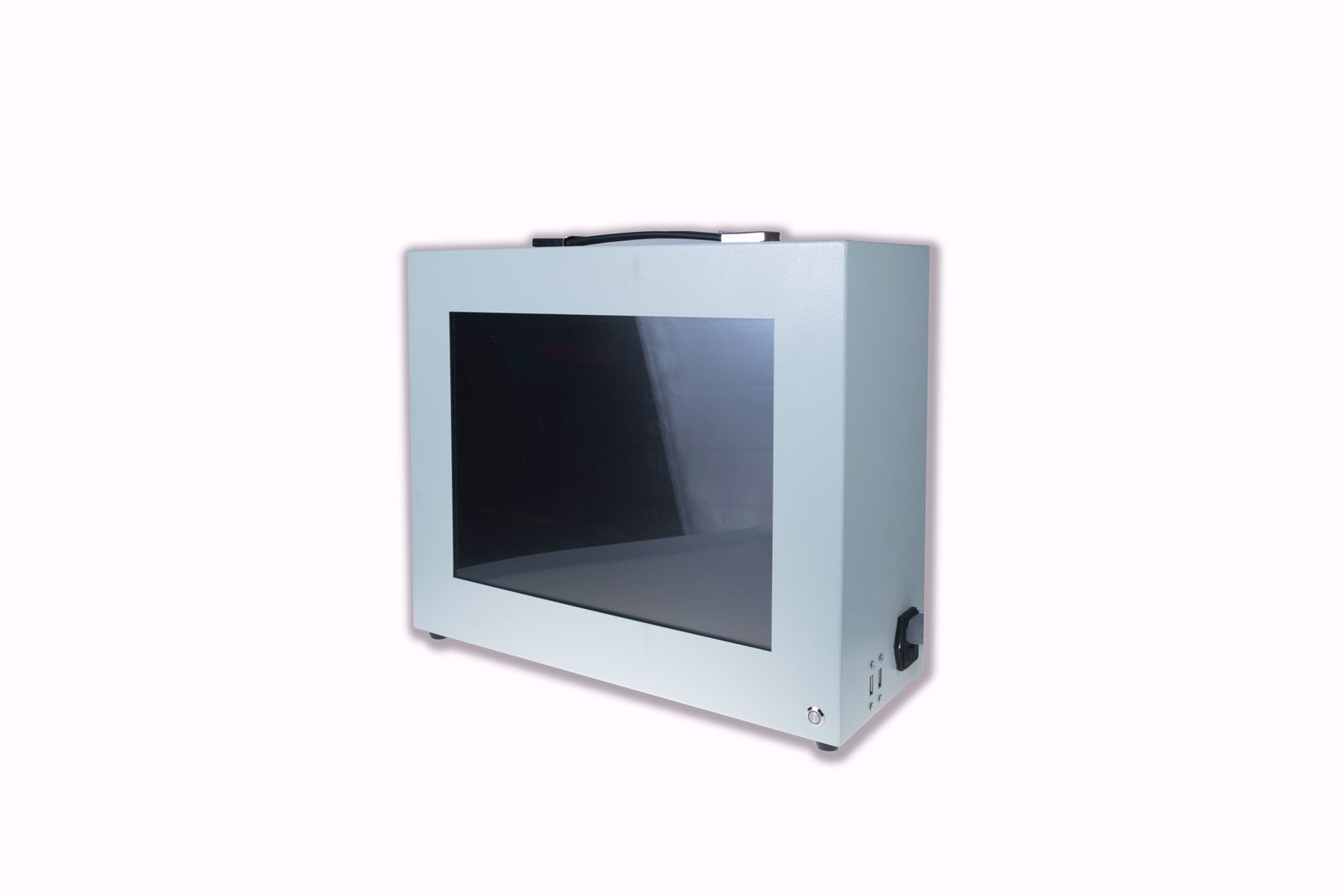
Cracks are the most frustrating rejection — cast, cleaned, then found cracked. Hot tears and cold cracks have different causes and different preventions.
Read More →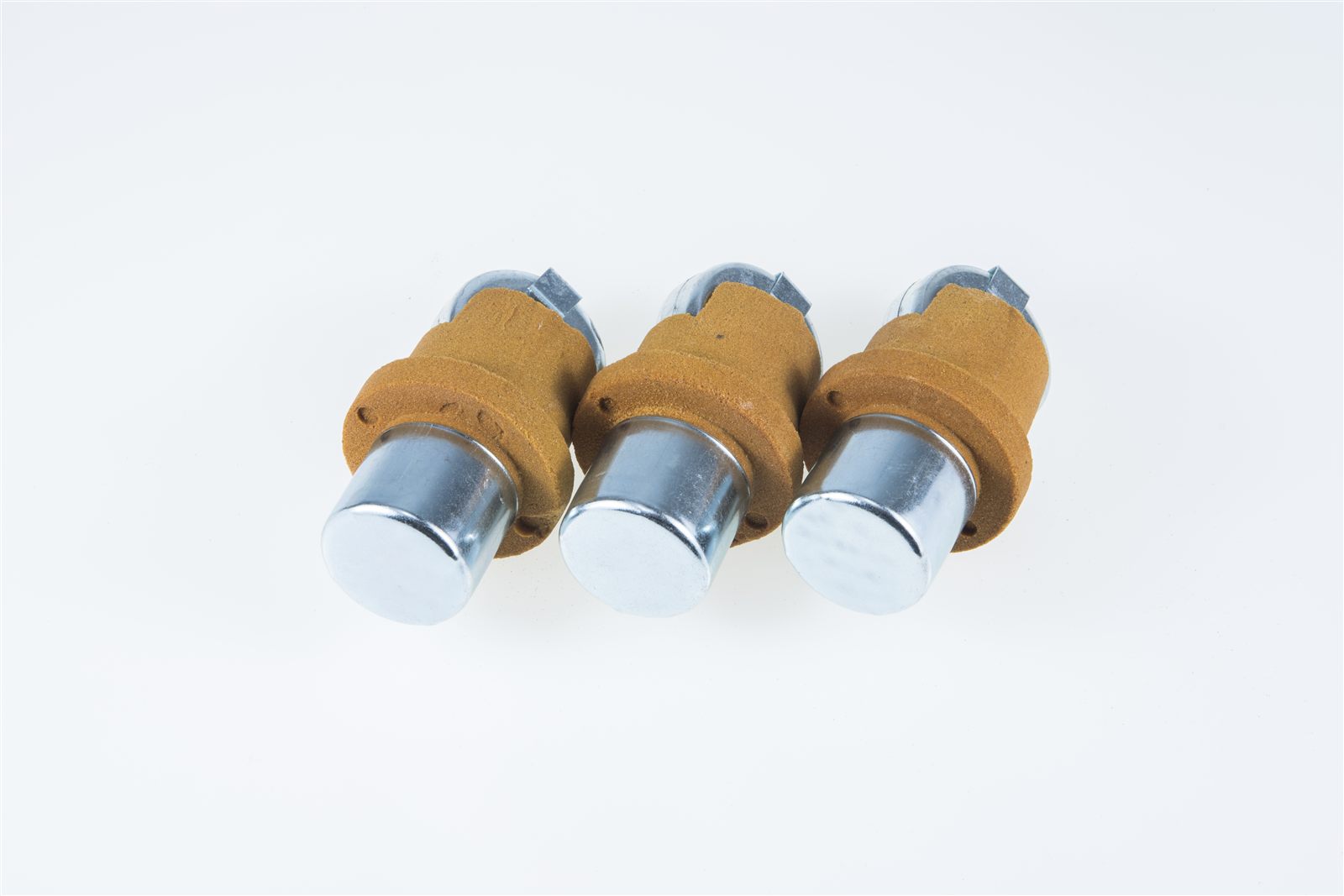
Holes in rejected castings — gas holes, shrinkage cavities, sand inclusions. Different names, completely different causes and fixes. Learn to tell them apart fast.
Read More →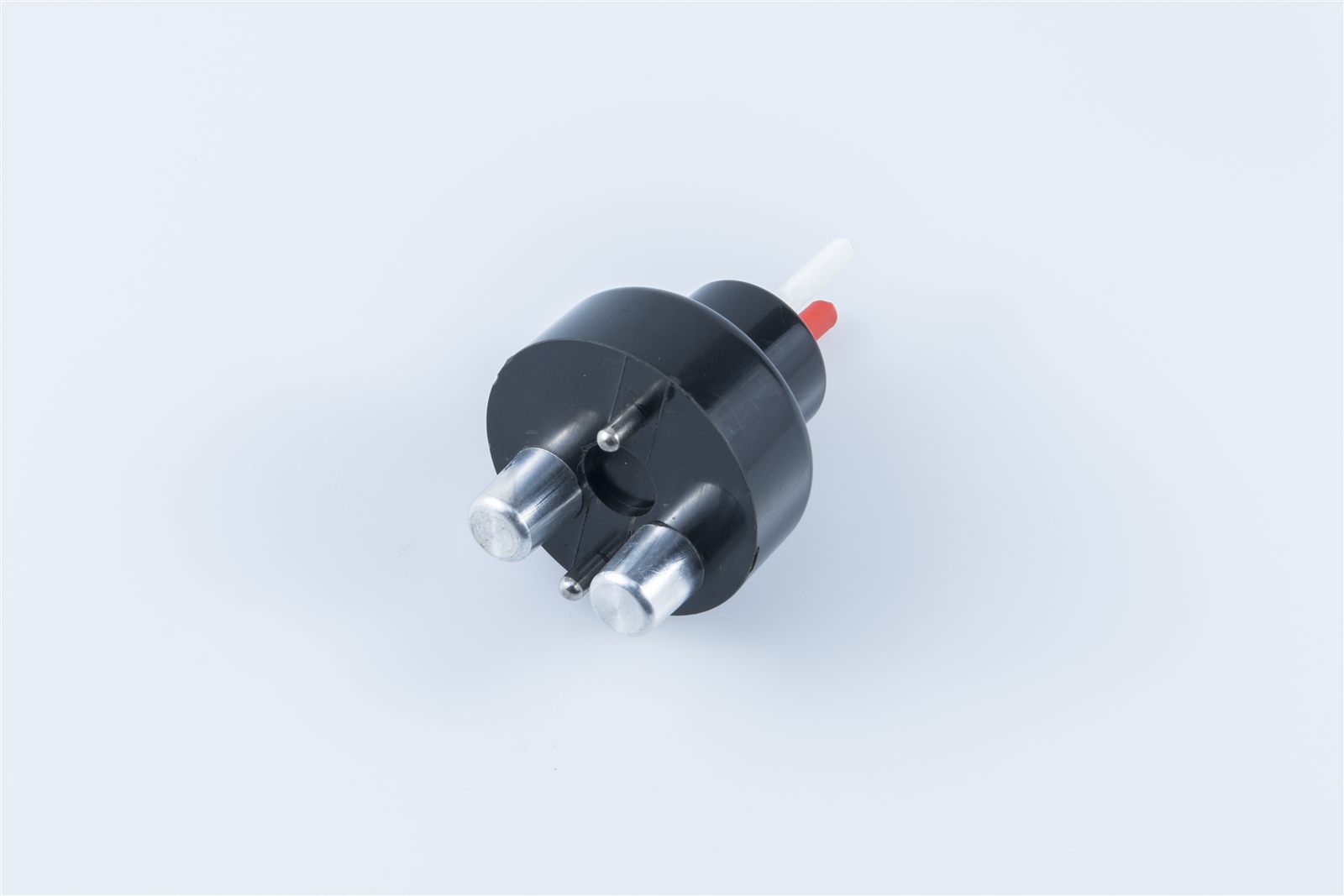
Iron shrinks on solidification; without feeding, castings get shrinkage cavities. The riser is that feeding reservoir — how it works and why it's cut off.
Read More →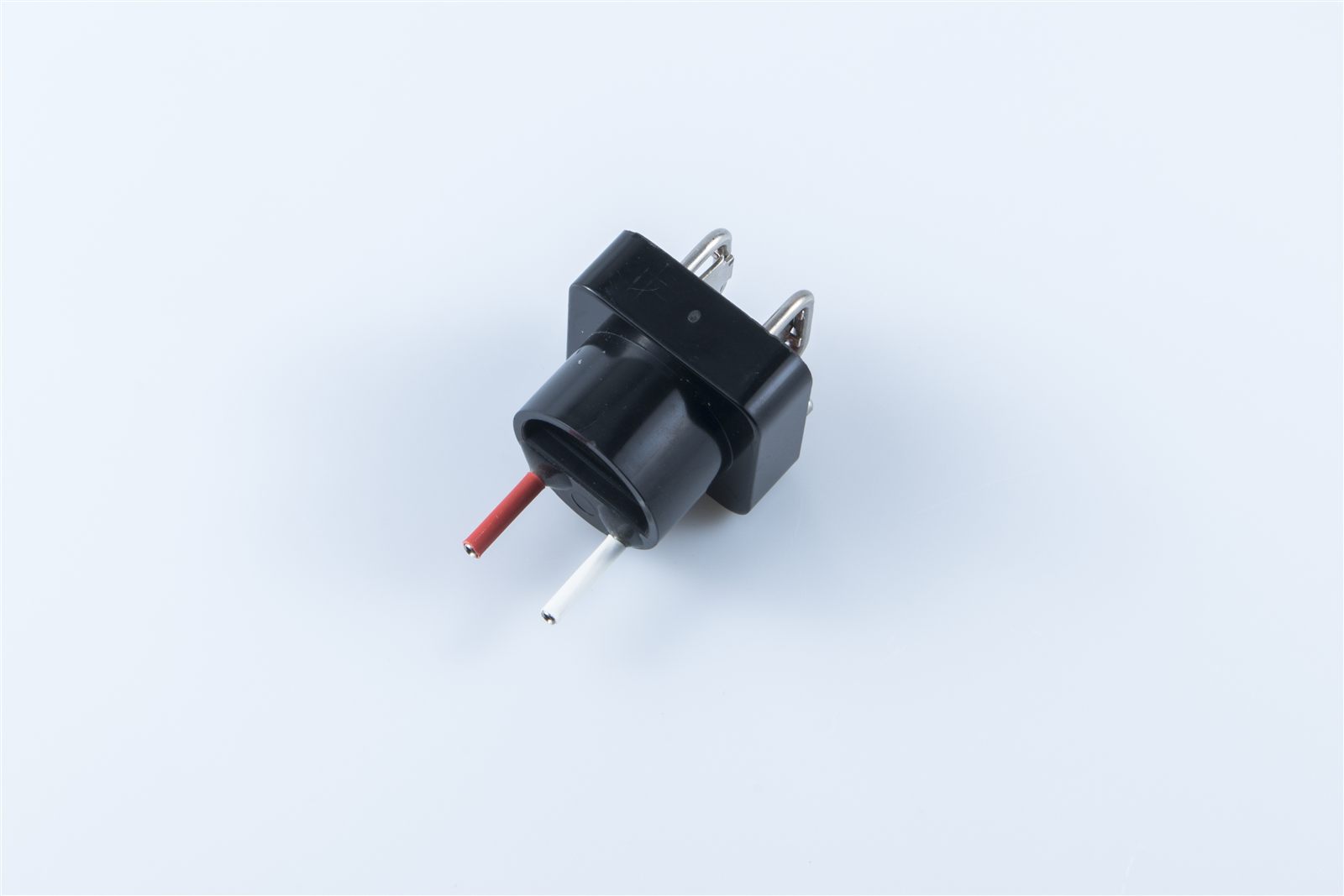
Sprue cup, sprue, runner, ingate — the gating system is the blood vessel delivering iron into the mold. Good design decides whether castings have slag holes, gas holes or cold shuts.
Read More →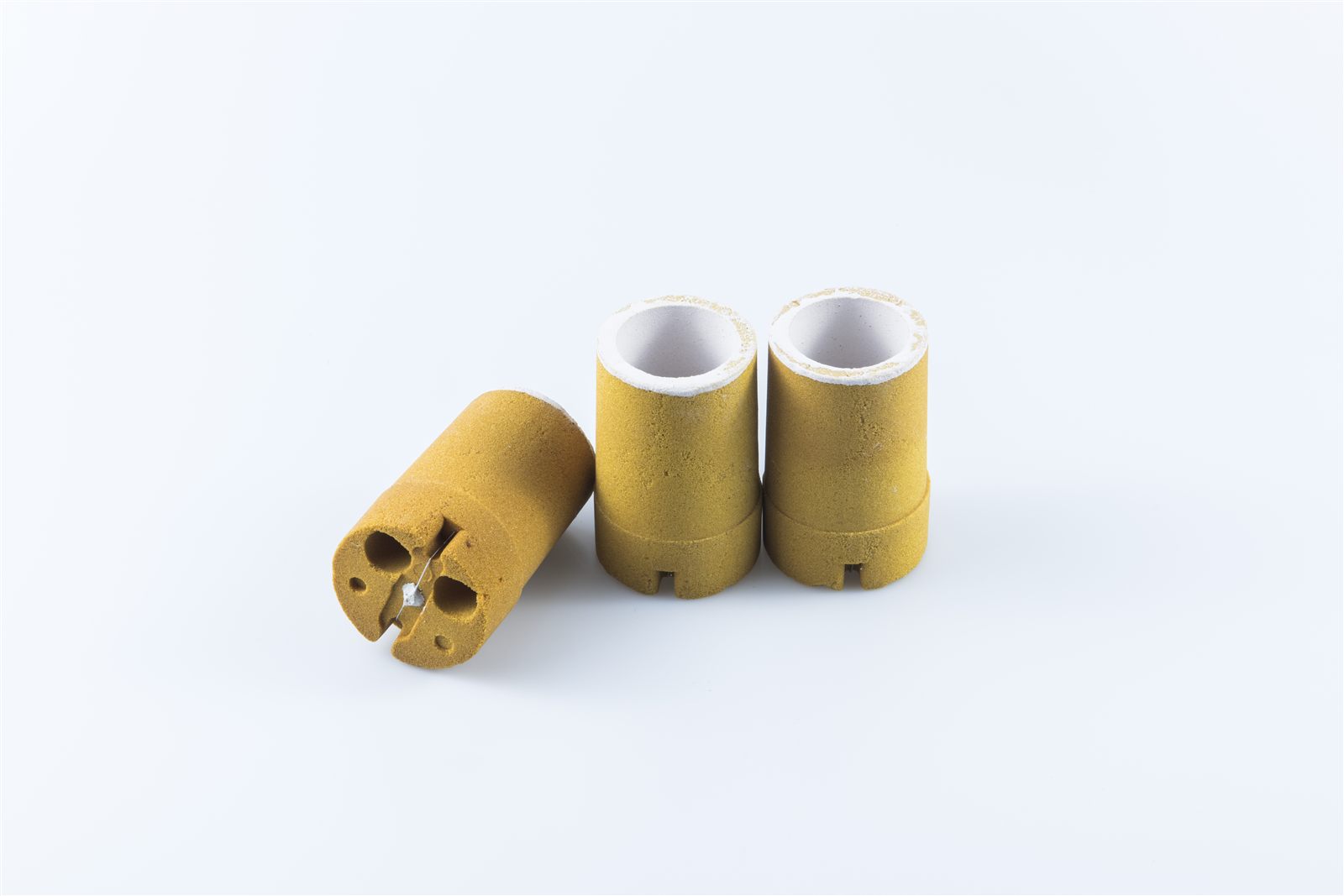
Nodulizing makes graphite round; inoculation makes it fine. With or without inoculant, cast iron's strength, chill tendency and machinability change completely.
Read More →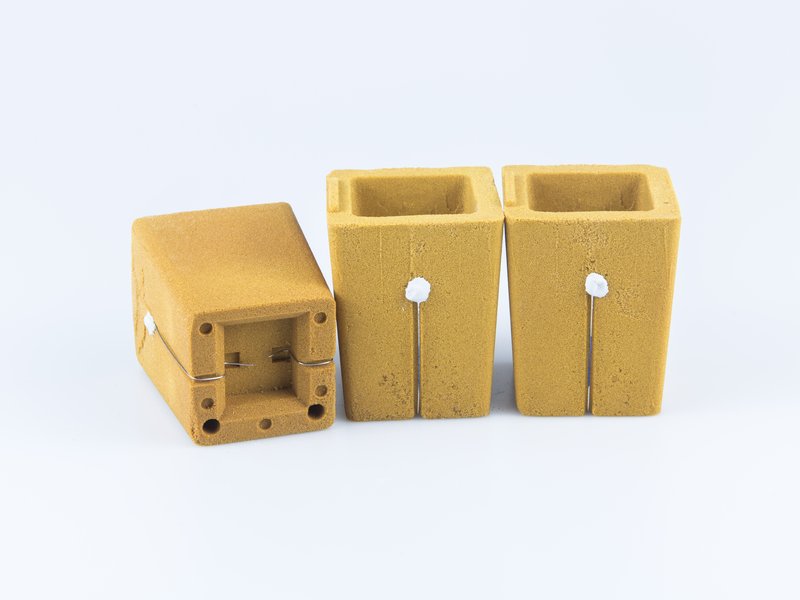
Same iron, with or without nodulizer — strength differs by several times. How to choose nodulizer, control temperature, handle failure?
Read More →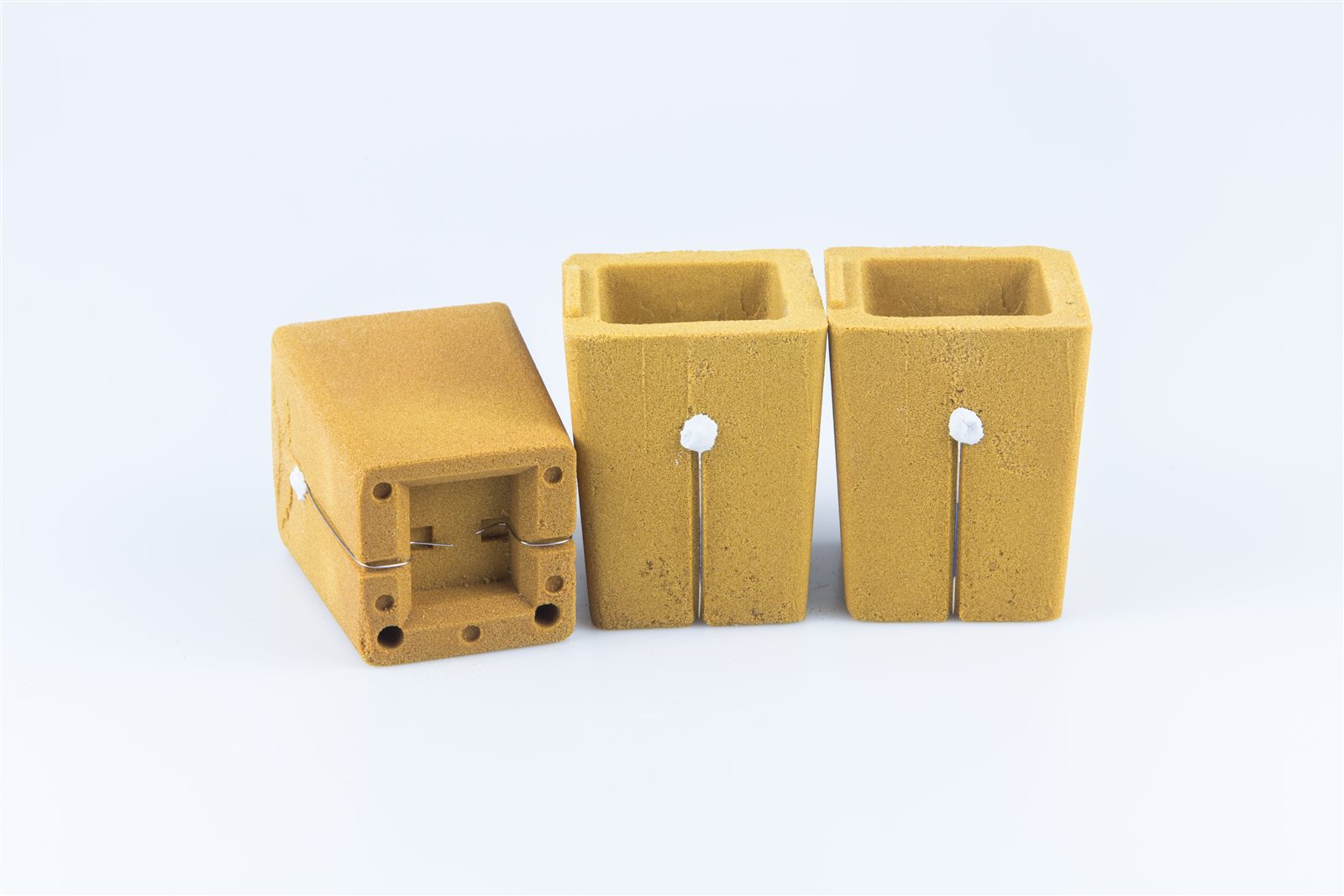
Same iron, different properties — strength, toughness, damping. The answer lies in graphite morphology. Gray, ductile and compacted graphite iron explained.
Read More →
Same lance, same steel — why different results at different times? Errors come from four sources: head, cable, meter, and operation. Check each one.
Read More →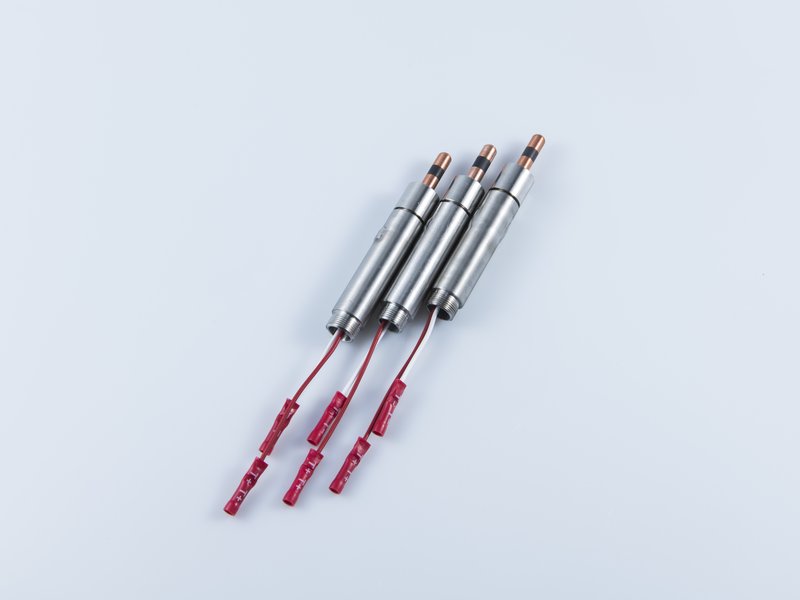
The lance tip is the fastest-wearing, most overlooked part of a temperature system. Poor contact, oxidation and wear all distort readings. Keep this checklist.
Read More →
When ladles change above it, the caster can't stop for a second — the tundish is the buffer that absorbs the interruption risk. What else does it do?
Read More →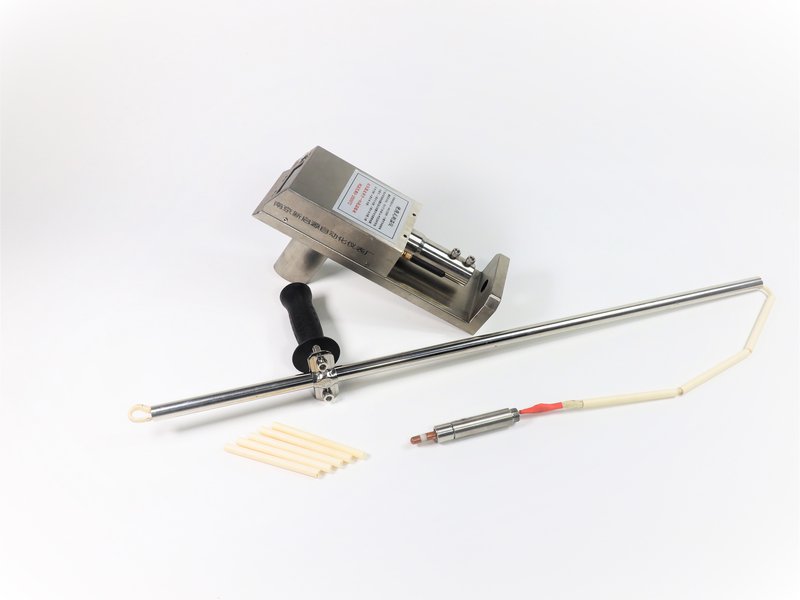
Converters eat hot metal; EAFs eat scrap. Three graphite electrodes strike 30,000°C arcs to melt scrap — the heart of mini-mill steelmaking. What are its rhythm and measurement needs?
Read More →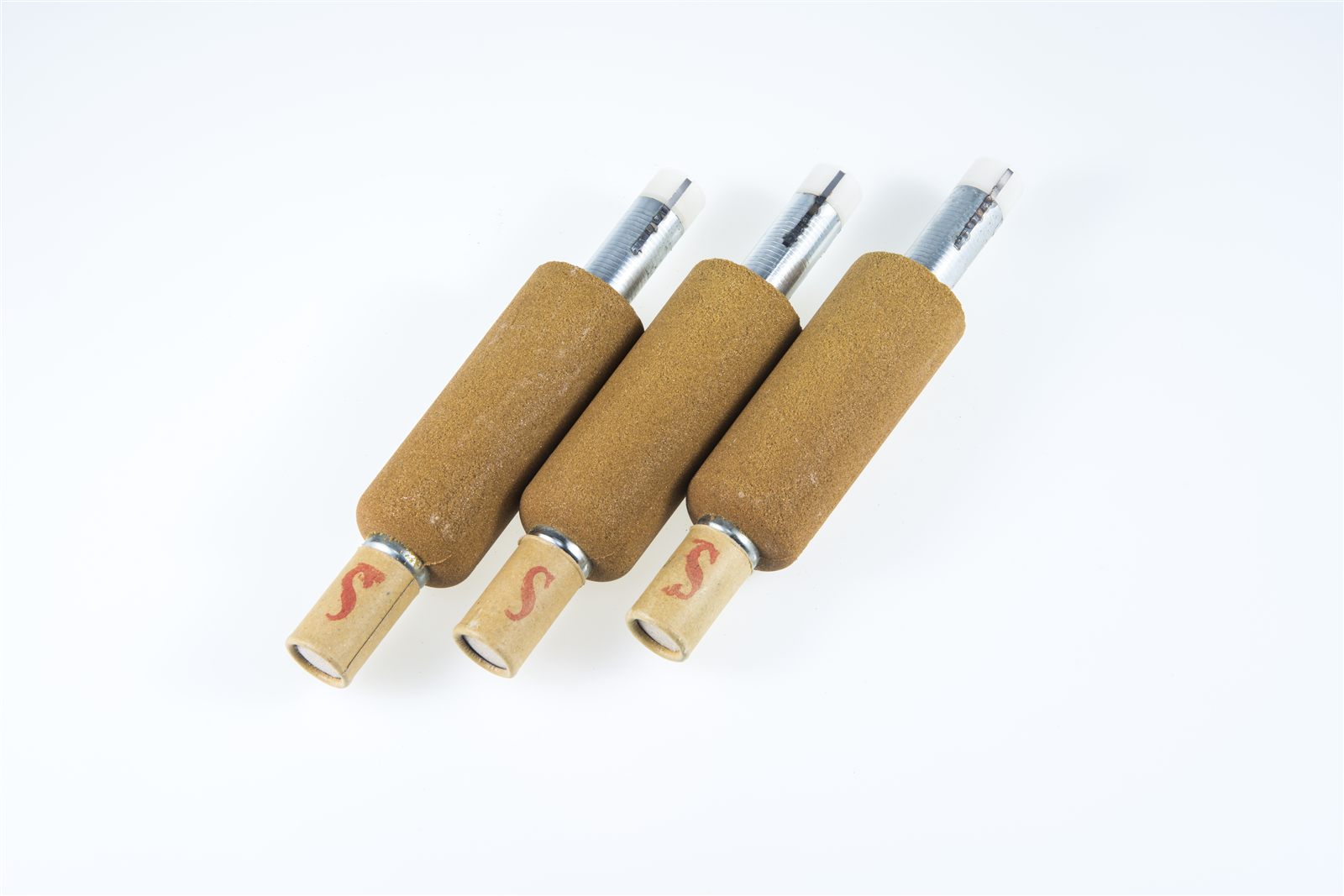
From charging, oxygen blowing, slagging to tapping, a BOF heat takes only 30~40 minutes. Why so fast? What are the key steps?
Read More →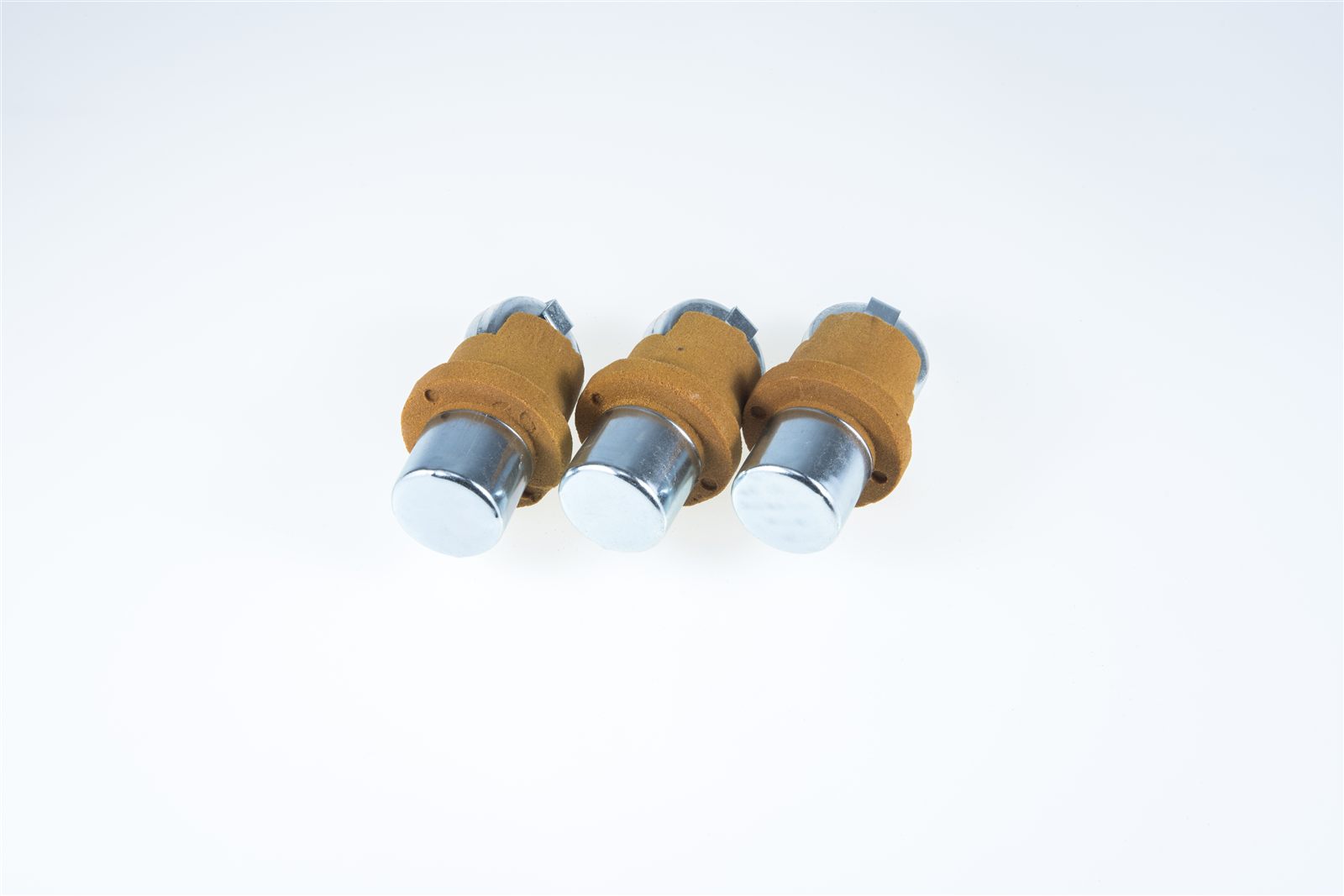
Hot metal from the blast furnace carries high sulfur — going straight to steelmaking hurts quality. How does pretreatment desulfurize? Injection vs. agitation?
Read More →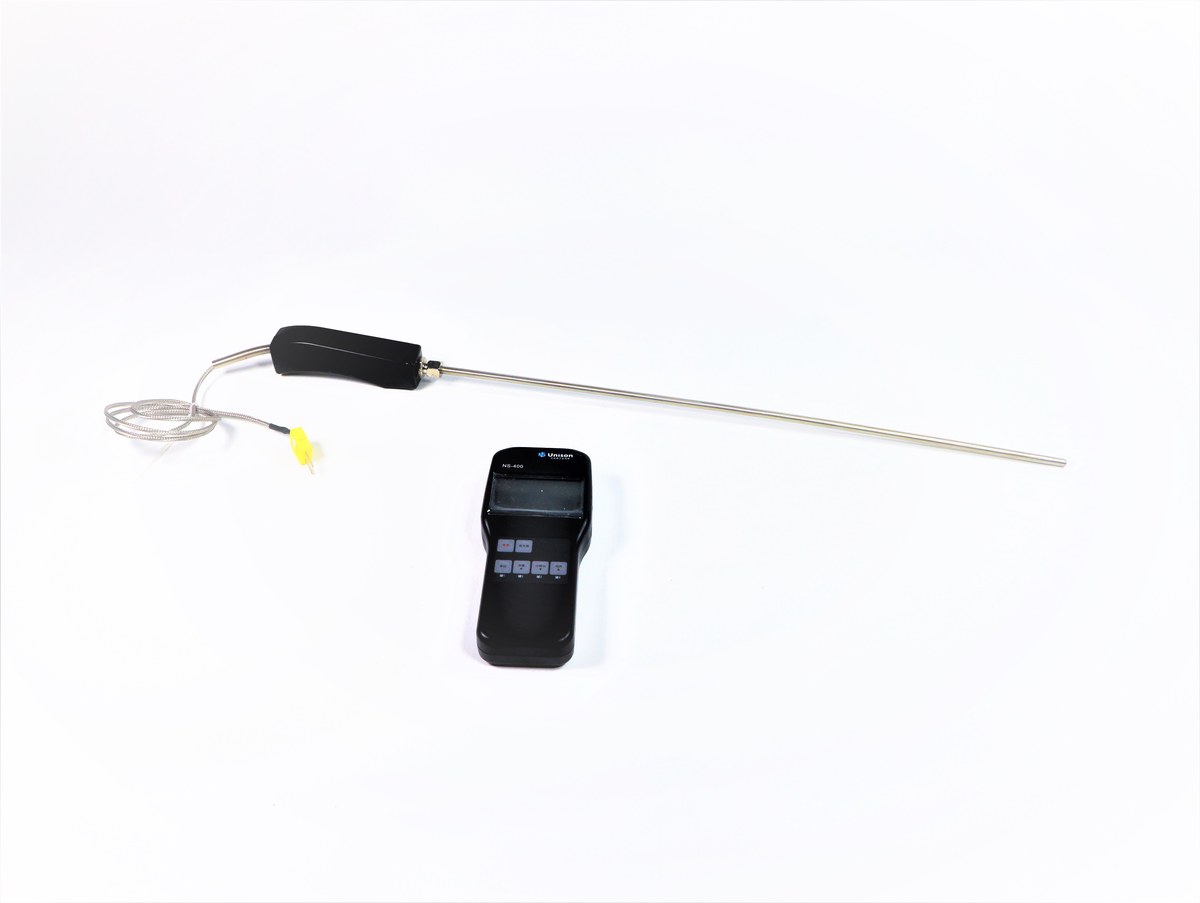
Steel in the ladle is dozens of degrees hotter than in the mold. That extra temperature is "superheat" — where it comes from and why it must exist.
Read More →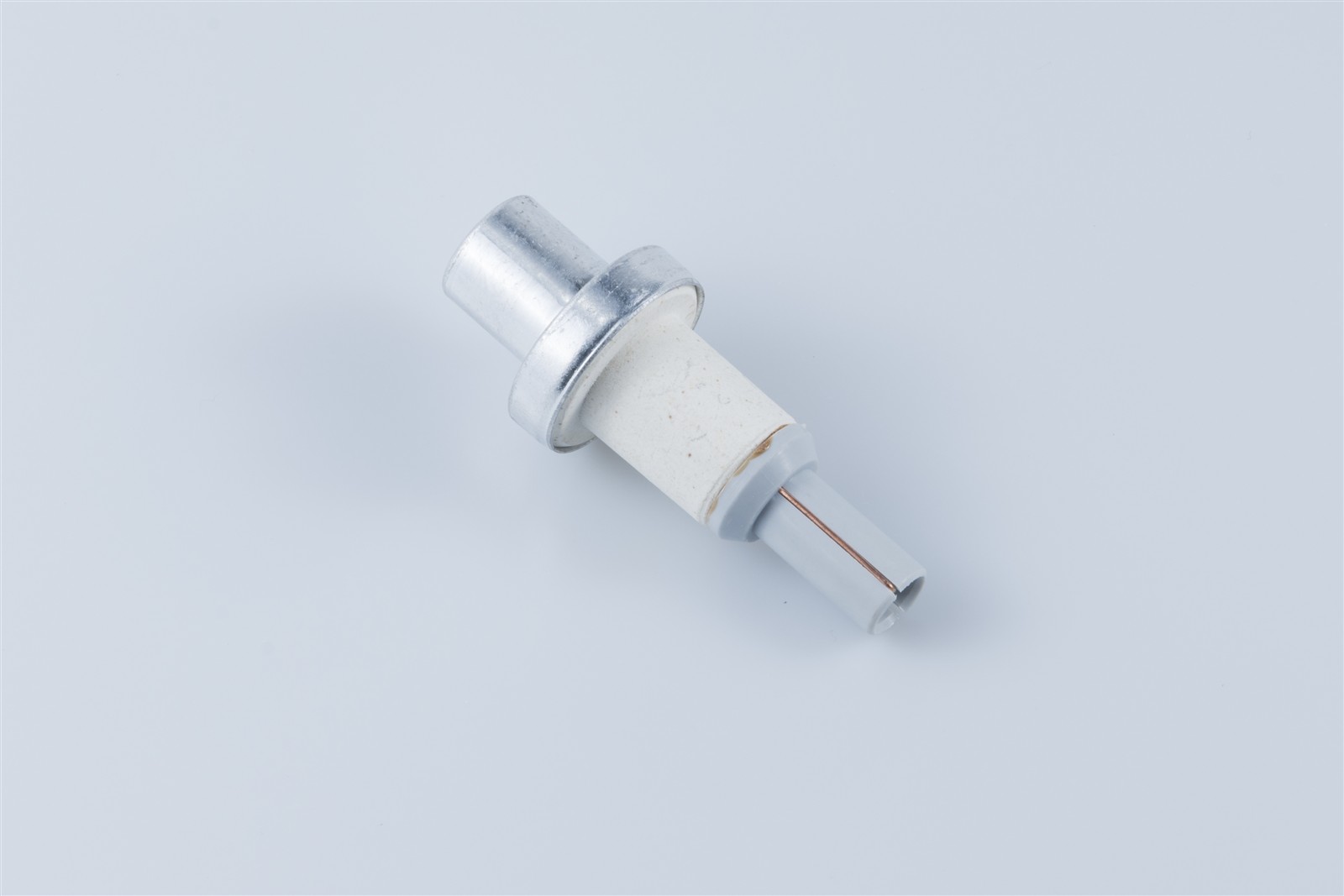
Same batch of heads, stable readings from some operators and erratic ones from others. Immersion depth, angle, dwell time, reading moment — details decide success.
Read More →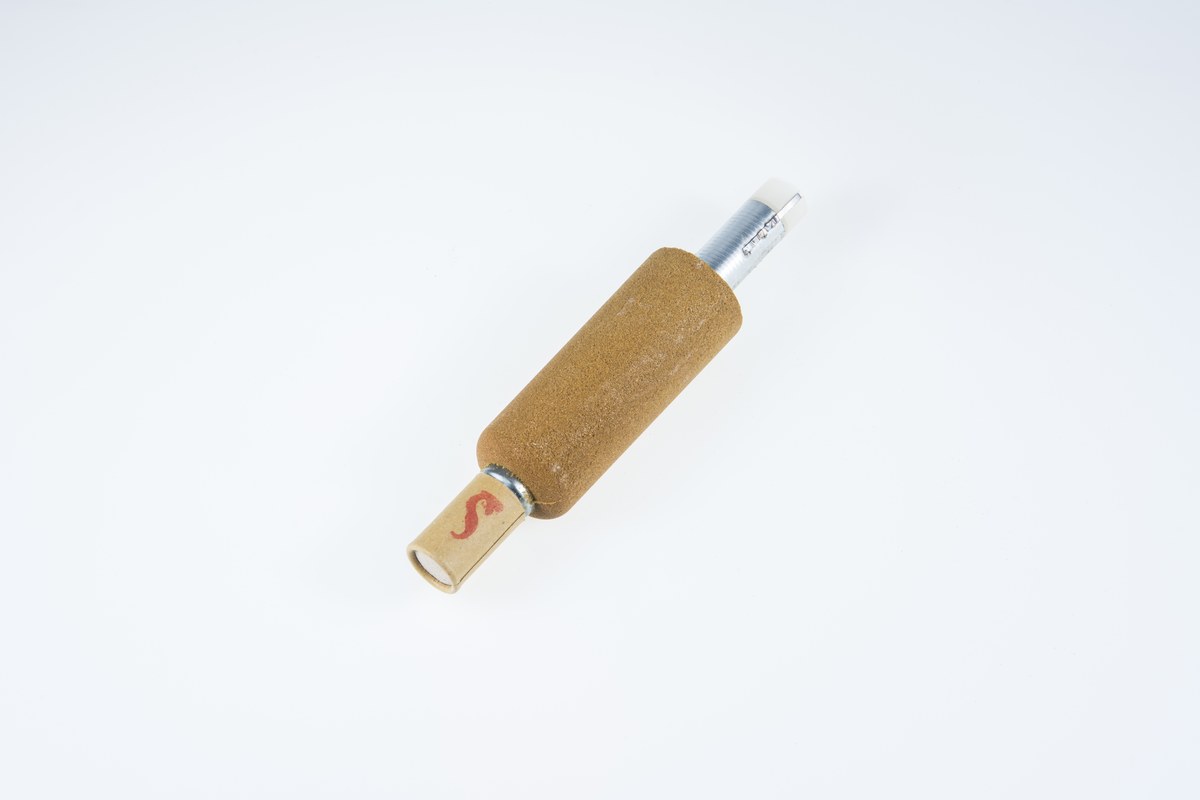
With so many temperature sensors available, why is platinum-rhodium thermocouple the near-universal choice for molten steel? Let's break it down.
Read More →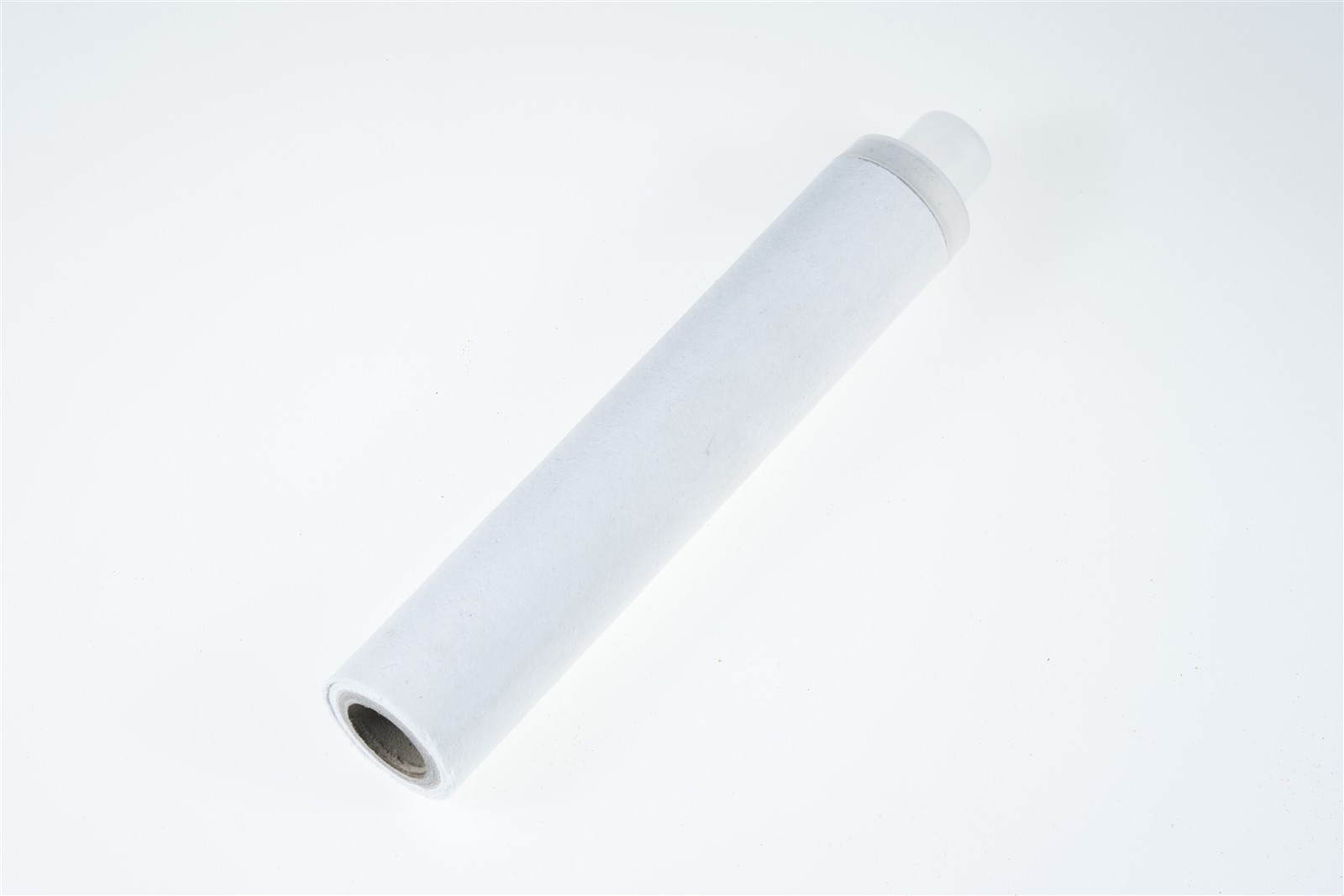
Cost breakdown of disposable thermocouples: why prices vary.
Read More →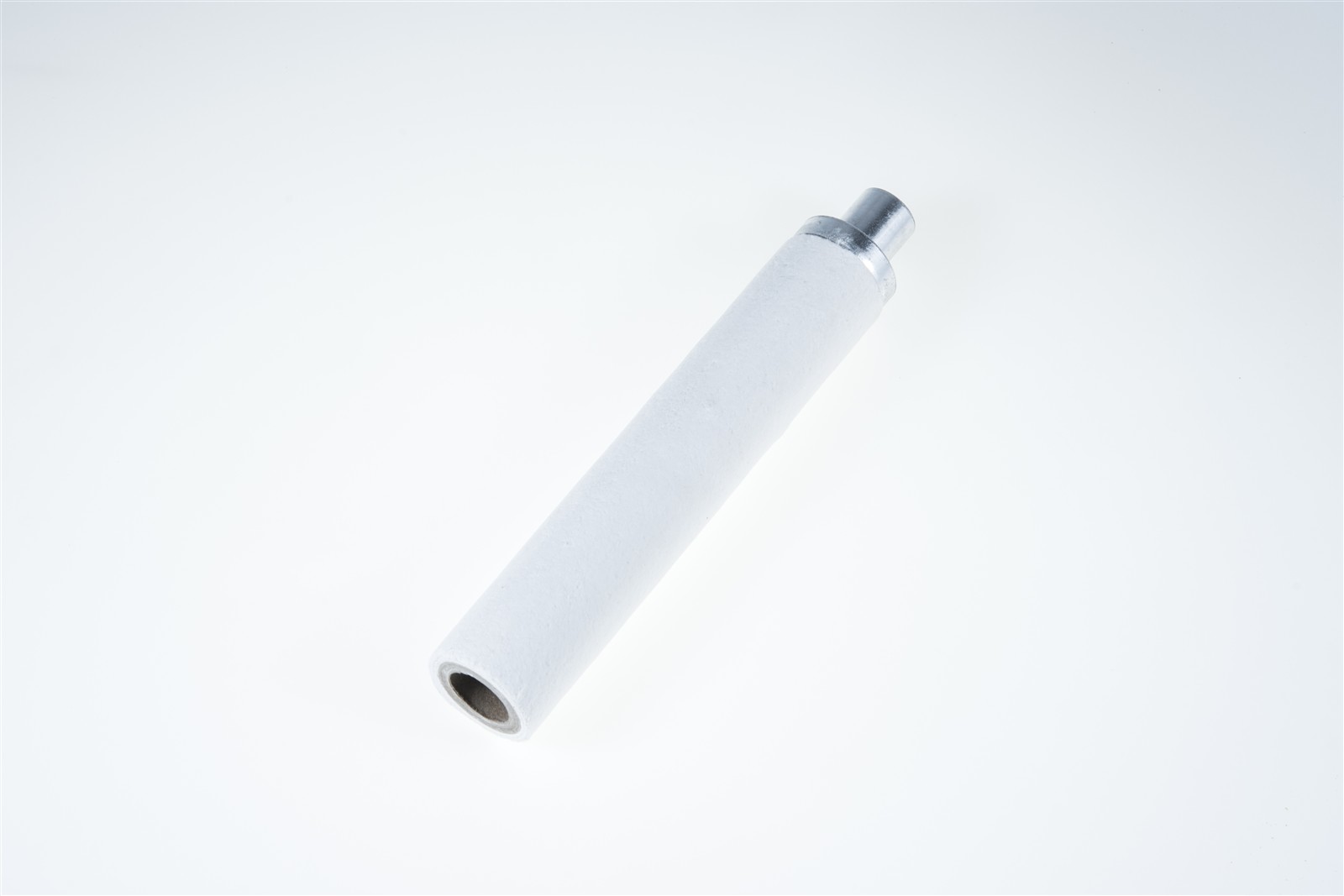
Why temperature readings vary: 5 common mistakes at the furnace front.
Read More →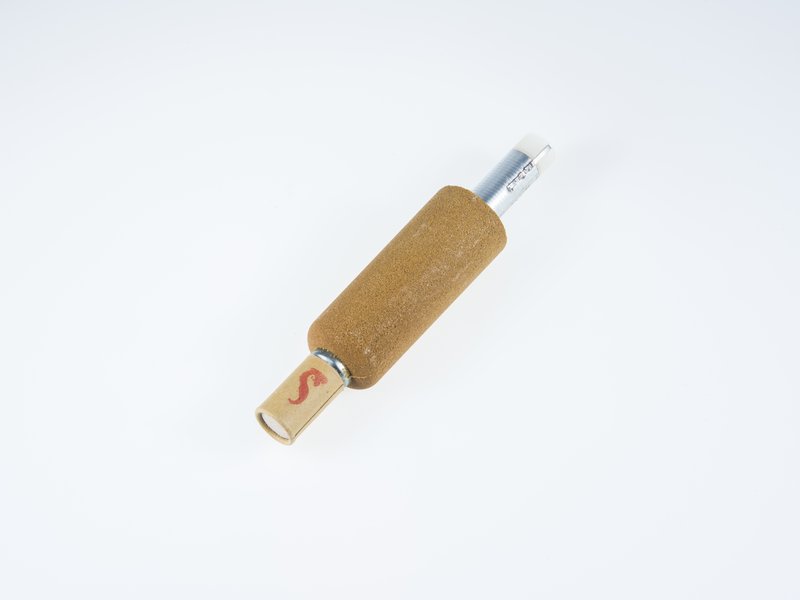
Thermocouple type selection guide: S/R/B/K/E/J/T differences and applications.
Read More →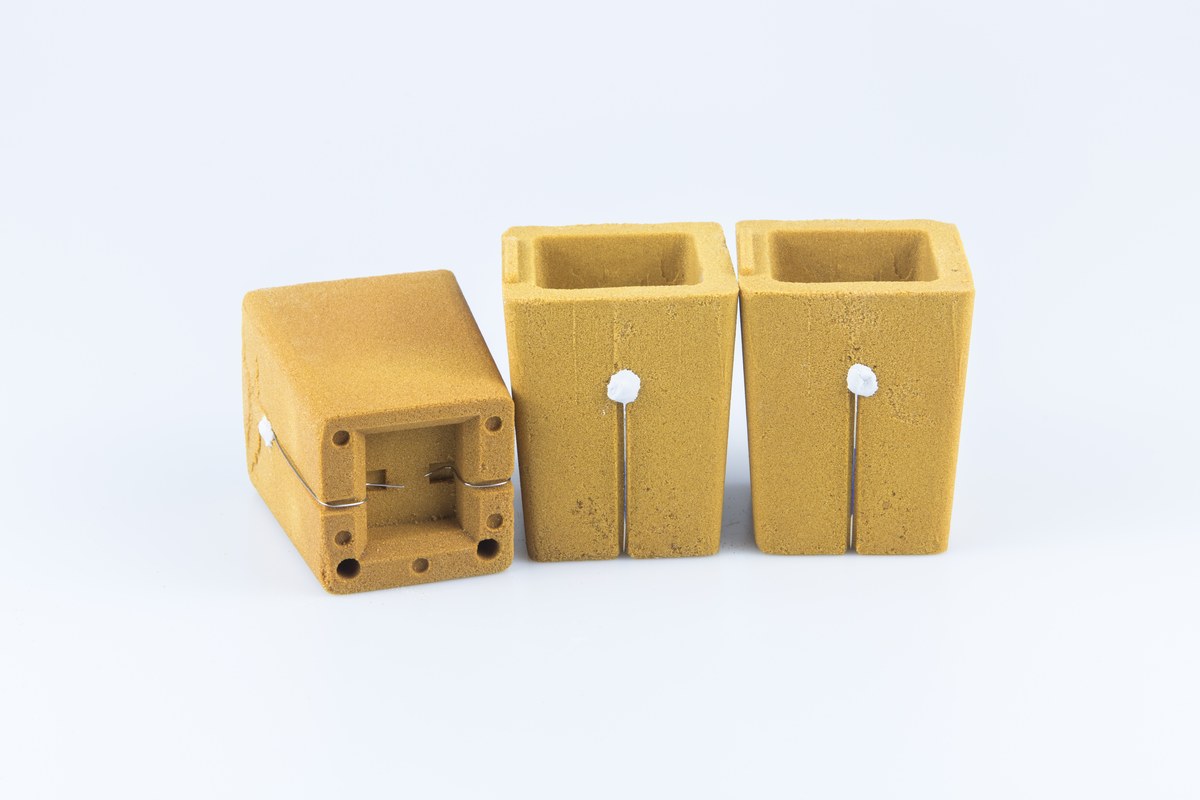
Thermal analysis cups provide fast C/EQ/Si measurement at the furnace front.
Read More →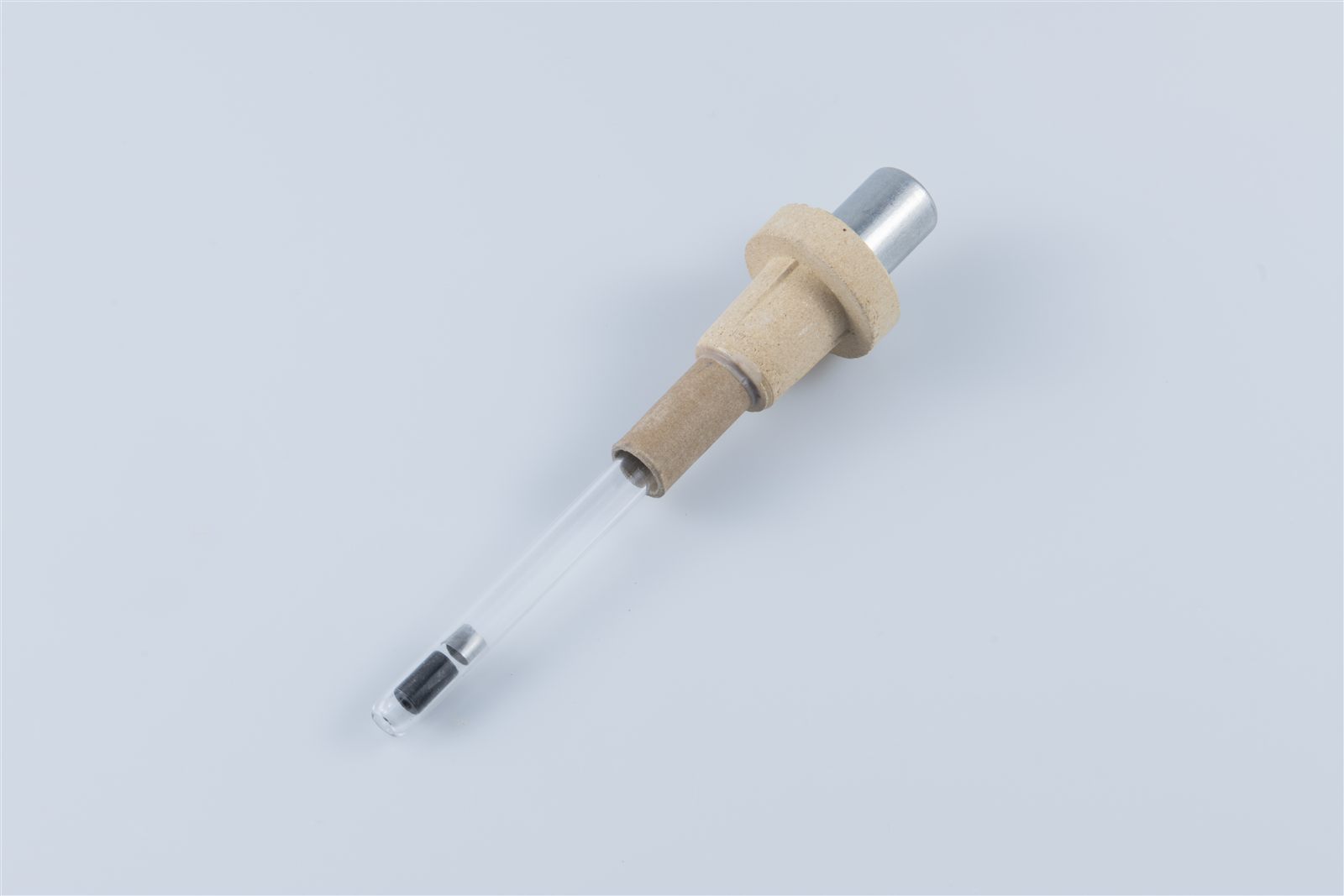
Sampling seems simple, but ladle angle, deoxidation and cooling rate all affect analysis results.
Read More →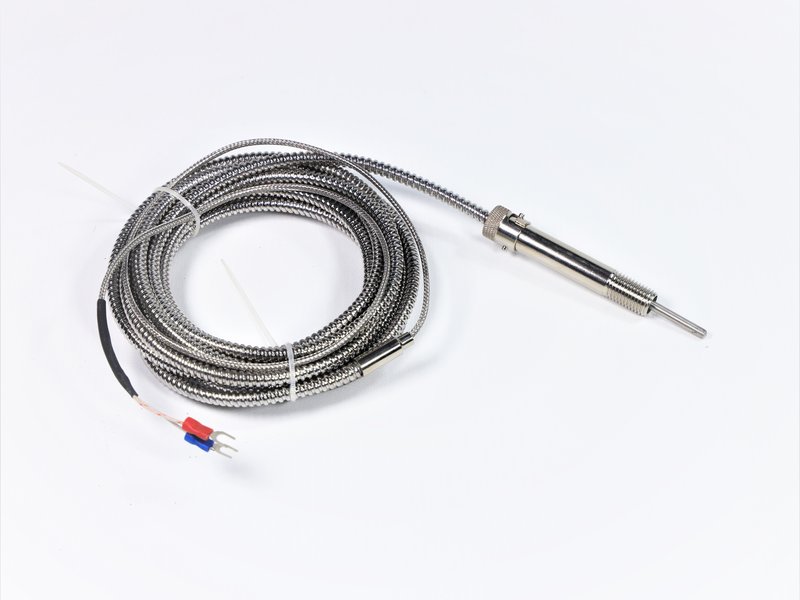
Same thermocouple, same meter — why does swapping a cable shift the reading by a few degrees? Compensation cable isn't just ordinary copper wire — its type, polarity, and routing all matter.
Read More →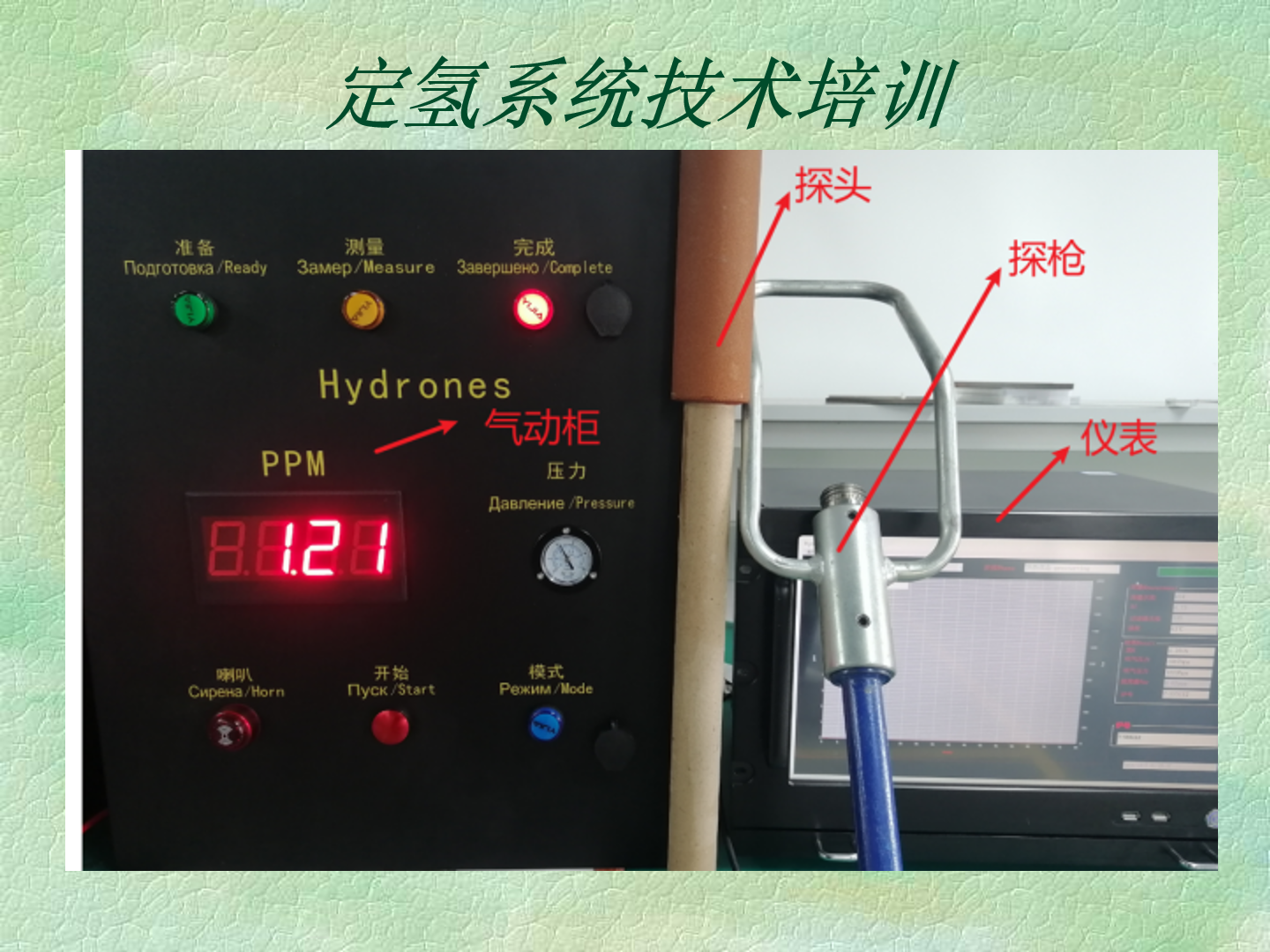
Even a few ppm of hydrogen in steel can cause white spots, cracks, and fracture defects. Why does such a tiny amount cause so much damage? How does a hydrogen analyzer measure it?
Read More →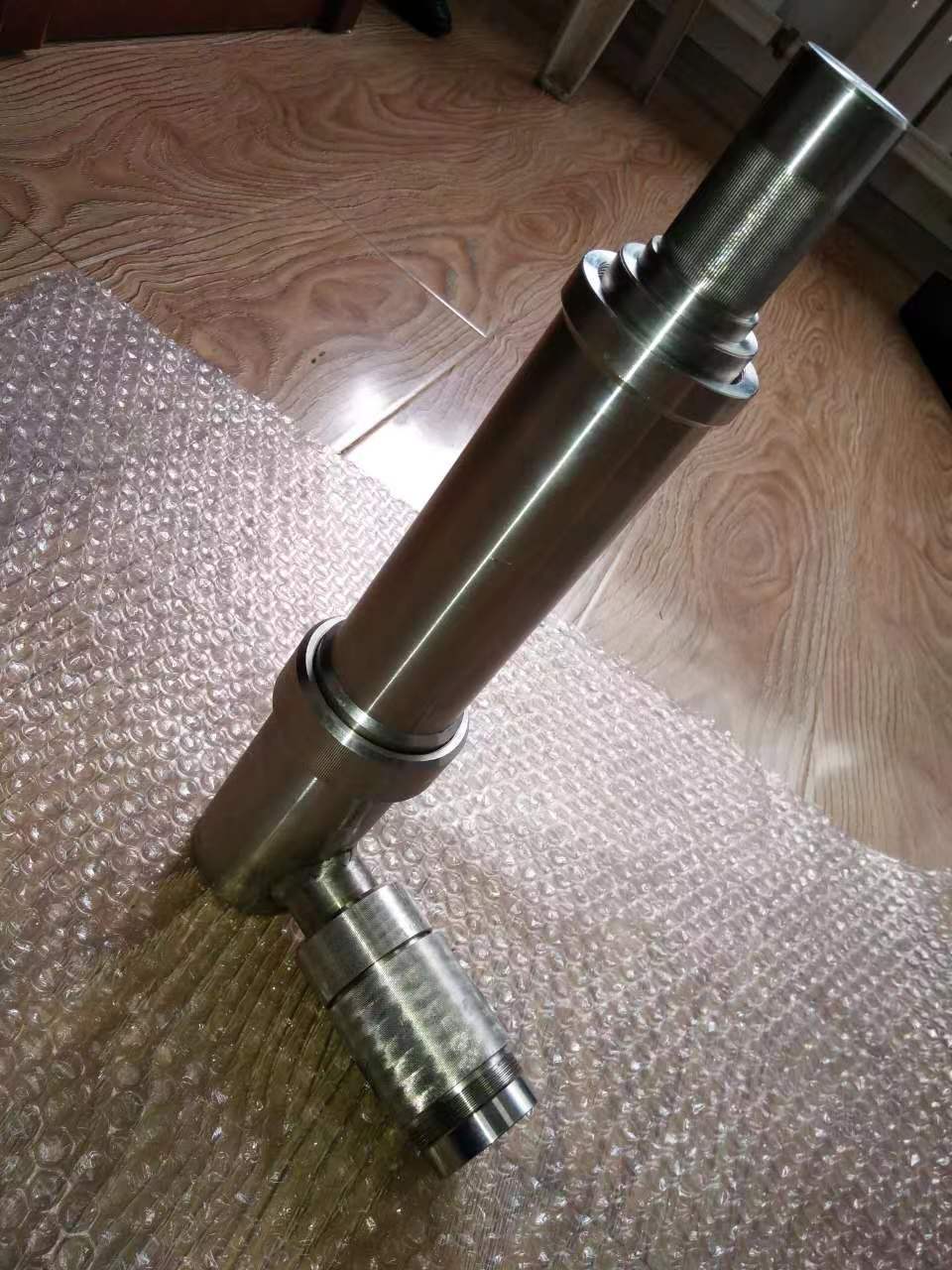
Temperature fluctuations in the continuous casting tundish directly affect slab quality and cast length. Why not just measure periodically like in the converter? What problem does continuous measurement solve?
Read More →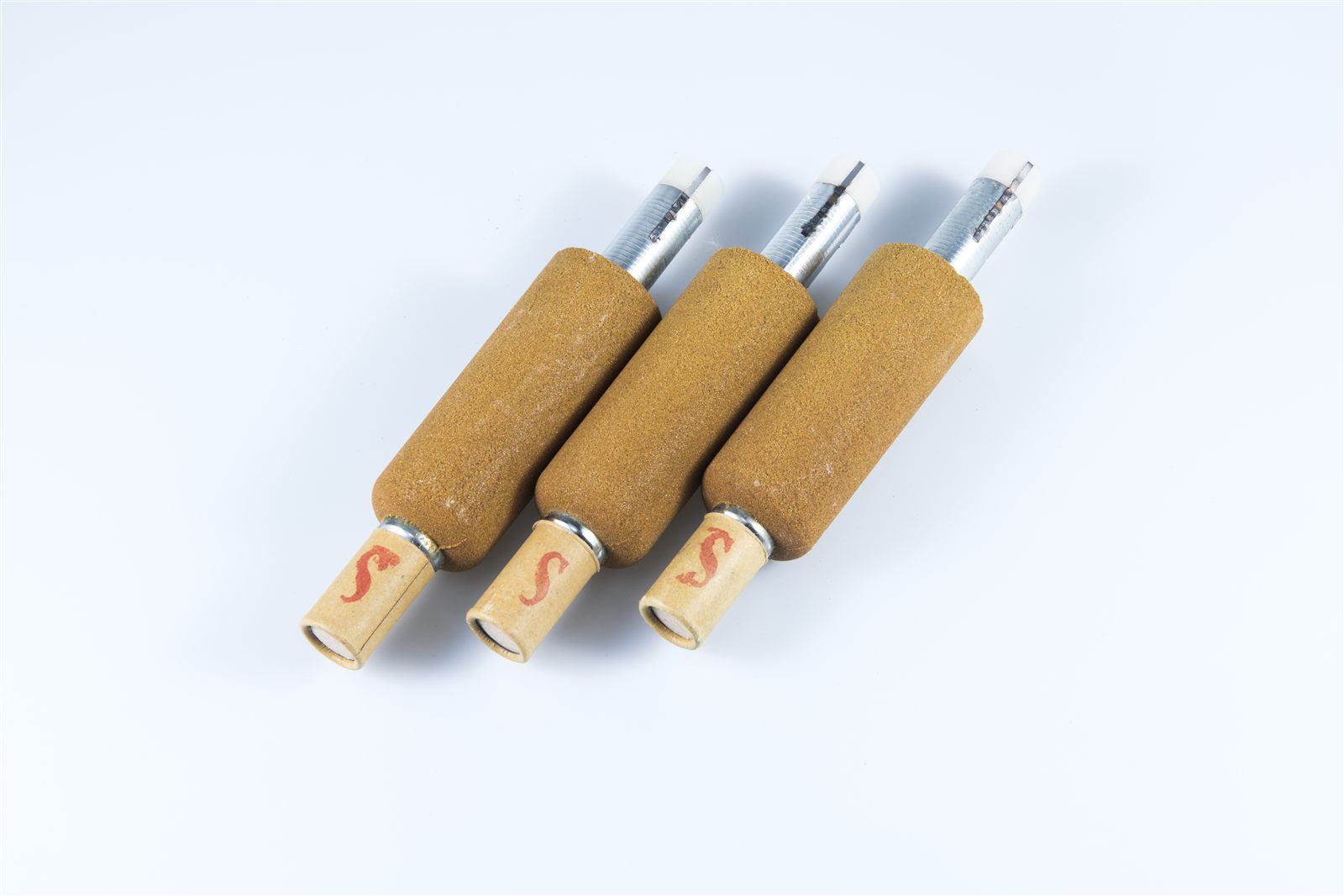
An oxygen probe doesn't measure oxygen content percentage — it measures "oxygen activity", a thermodynamic parameter directly related to steelmaking reactions. This article explains its principle, use, and why steel mills can't live without it.
Read More →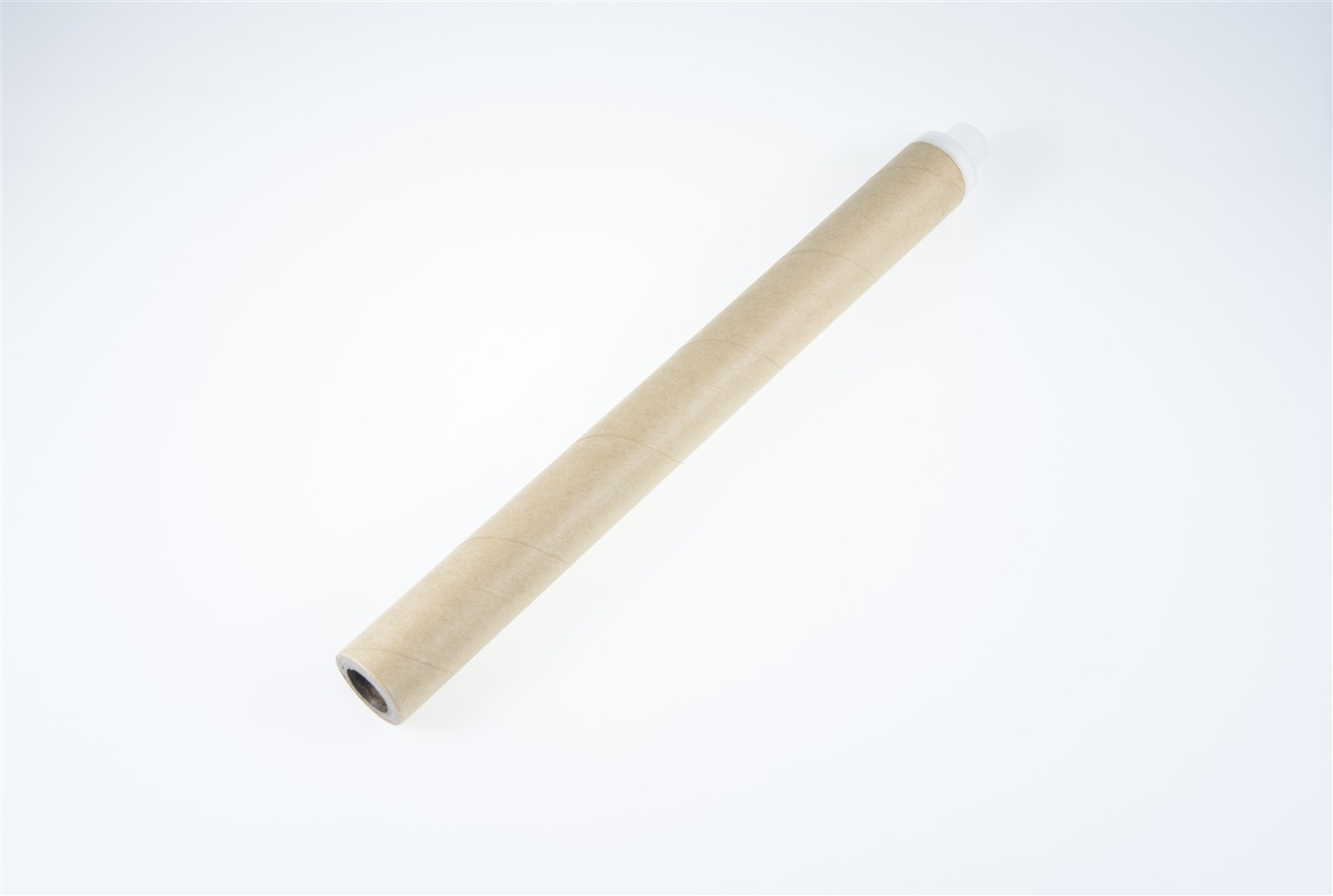
Why can furnace-side temperature measurement be completed in 3 seconds? From thermoelectric EMF principle to fast thermocouple head structure, this article explains the working logic and accuracy guarantee.
Read More →
Thermal analysis reads carbon equivalent in three minutes; samplers and thermocouples jointly safeguard temperature and cleanliness, building a furnace-side rapid detection system.
Read More →
Drawing on production practice and AFS research conclusions, this article breaks down the control of composition, trace elements, alloying and inoculation for stable production of high-strength gray cast iron under electric-furnace melting.
Read More →This article outlines the key points of the new GB/T 1348-2019 standard, control of graphite flotation, the composition red lines for low-temperature ductile iron, and as-cast strengthening processes, to help improve quality and reduce rejection.
Read More →This article outlines the process points of clean-steel refining, matching high-Mn/wear-resistant steels to service conditions, and heat treatment of martensitic stainless steel, to help foundries upgrade quality.
Read More →From resin self-hardening sand and sodium silicate sand to lost foam casting, this article compiles four practical points for selecting molding processes and stabilizing them on the shop floor.
Read More →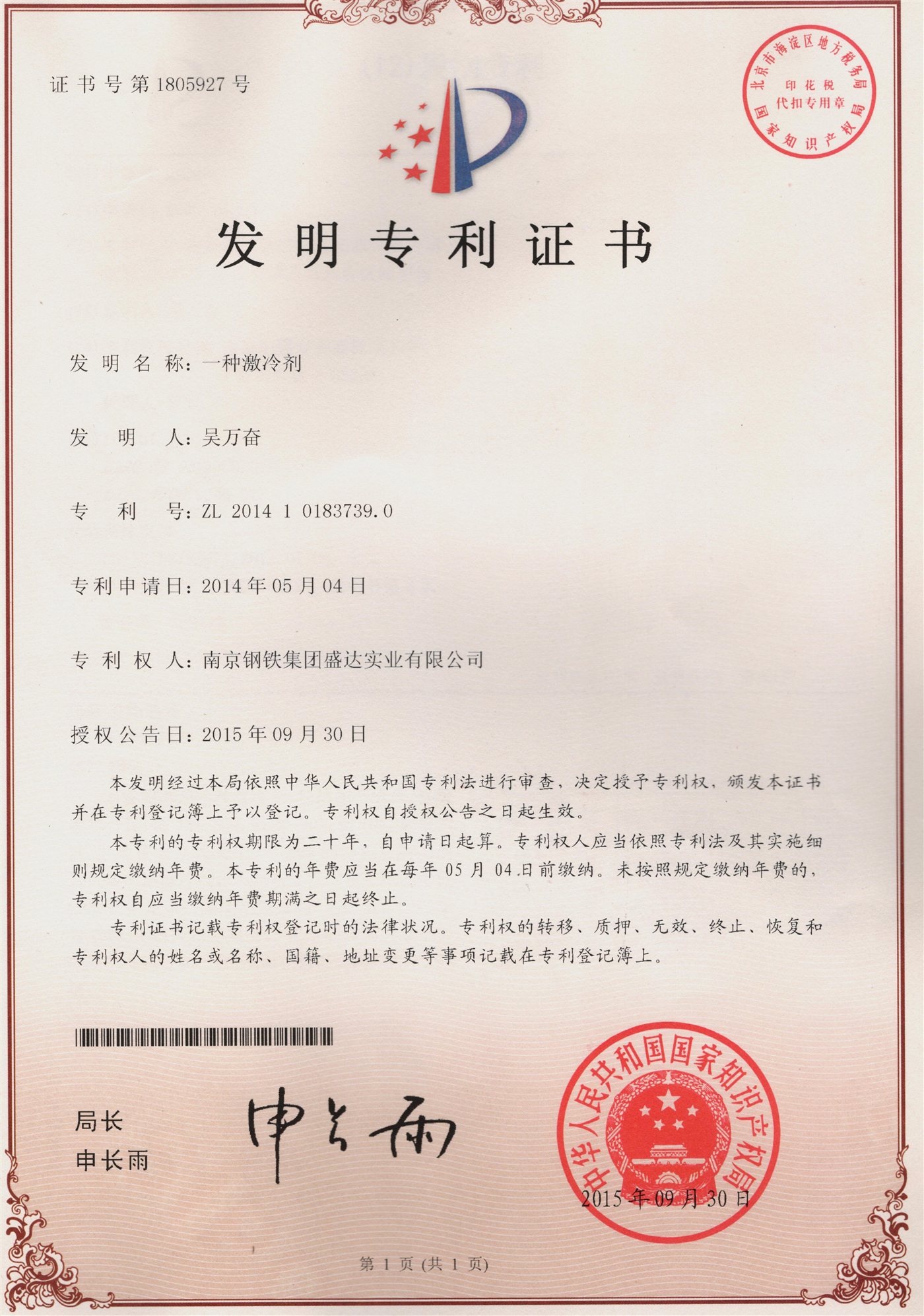
From the first fast-thermocouple utility model patent in 2008 to the CE sample cup patent in 2020, the company has accumulated 1 invention patent and 6 utility model patents covering chill agents, fast thermocouples, fast samplers and thermal analysis cups.
Read More →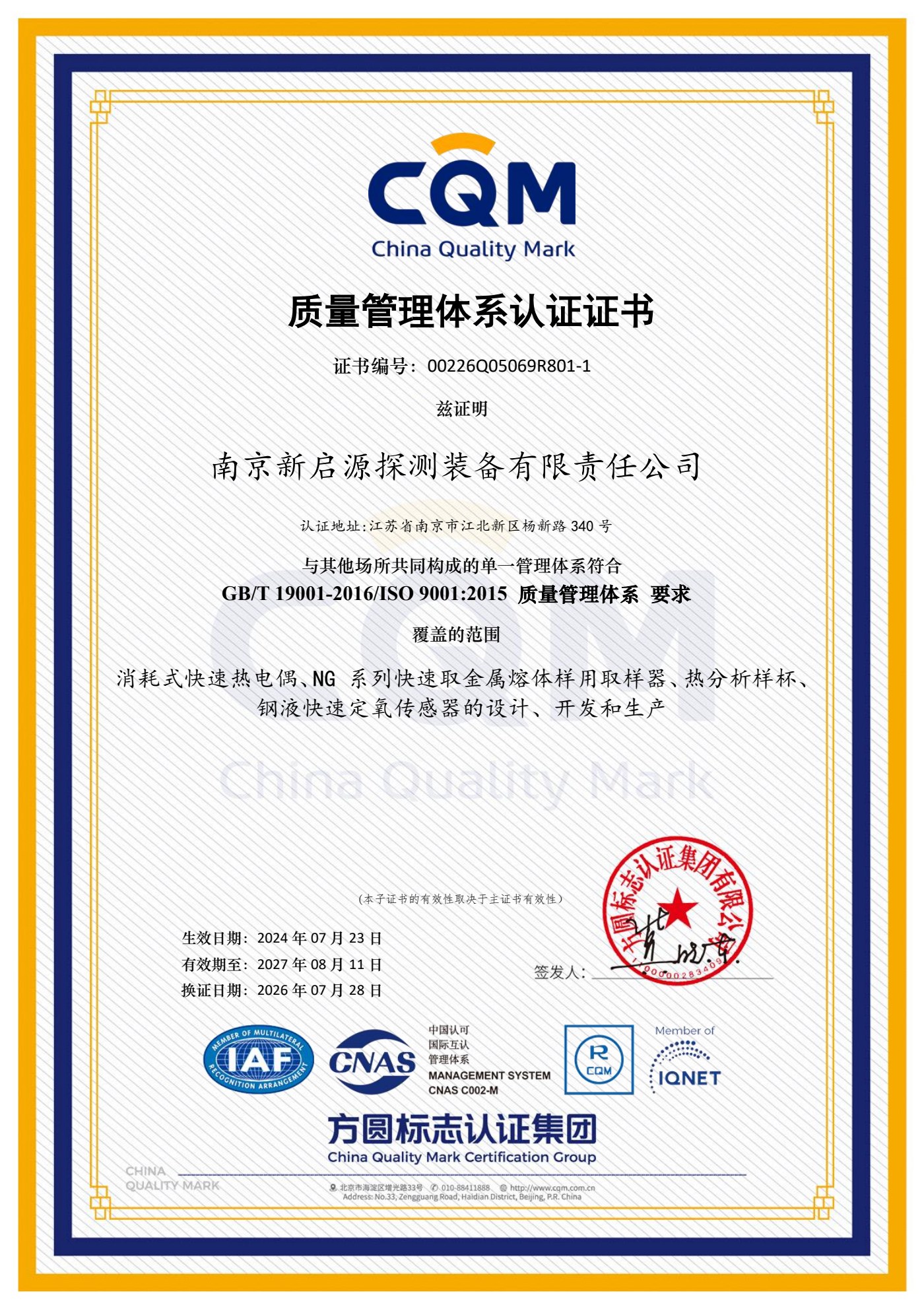
Our current ISO9001:2015 certificate, issued by CQM (Certificate No. 00226Q05069R801-1), is valid until August 11, 2027 and covers the design, development and production of four core product lines.
Read More →
The wireless measuring lance eliminates compensation wiring and line loss, transmitting temperature data wirelessly to the furnace-side terminal; paired with big-screen pyrometers and the melting data summary system, furnace-side data becomes traceable.
Read More →Our products cover 19 Chinese provinces and are exported to 7 countries — Malaysia, Pakistan, Turkey, Thailand, South Korea, Vietnam and Oman — serving 300+ customers in steel, non-ferrous and foundry industries.
Read More →
Expendable fast thermocouples are the mainstream solution for liquid steel temperature measurement. This article introduces their working principle, common calibration types and selection tips.
Read More →