
Fast Front-Line Checks vs. Lab Analysis: Why Both?
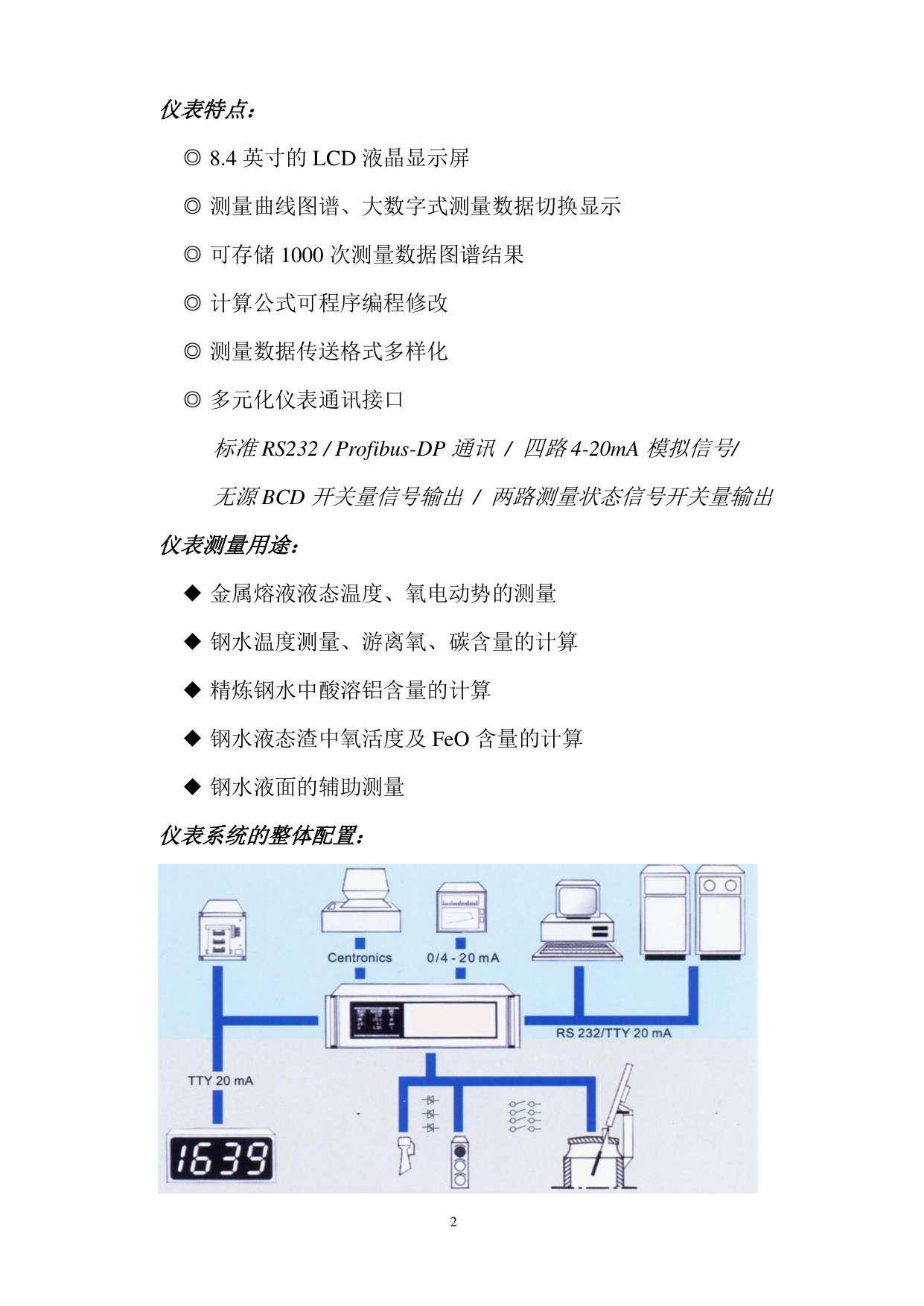
Two detection systems coexist at the furnace: the lance, oxygen probe and thermal cup in operators' hands, and the spectrometer and C/S analyzer in the lab. Why not just fast checks?
Positioning Difference
Fast front-line: measures process — real-time guidance (alloying, endpoint, temperature). Seconds to minutes. Indirect physical parameters, limited accuracy.
Lab analysis: measures results — precise confirmation, formal reports. Minutes to tens of minutes. Standard methods, requires qualified samples.
Why Fast Can't Replace Lab
1. Different accuracy/physics: oxygen probe measures activity (thermodynamic); spectrometer measures chemical content. Different quantities.
2. Different scope: fast = few parameters (T, O, CE); lab = dozens of elements plus gases (H, O, N).
3. Compliance: certificate data must come from traceable standard methods.
4. Calibration dependency: fast instruments are calibrated against lab data — lab is the benchmark.
Division in Practice
Layer 1 (every heat): fast temperature + oxygen/thermal analysis, second-level judgment.
Layer 2 (every heat/batch): lab OES, minutes for composition, alloy adjustment and tapping.
Layer 3 (sampling): metallography, mechanics, gas analysis for final rating.
Fast corrects in real time; lab confirms precisely — partners, not substitutes.
Cost of Unreliable Fast Data
Misjudged endpoints, wrong alloy additions, wrong temperature — real money every heat. Fast instruments need periodic verification against standards too.
Summary
Fast tells you what to do now; lab tells you exactly how much. Speed is efficiency, accuracy is the bottom line — both together close the quality loop.